Commercial
Developers


Aqary Investment & Development Social Profiles:
Aqary Investment & Development © 2026. All rights reserved.
Terms & Conditions
Powered By

Commercial
Developers
Aqary Investment & Development Social Profiles:
Aqary Investment & Development © 2026. All rights reserved.
Powered By

.jpg)
Discover everything you need to know about Dubai, from the best residential areas and types of properties to schools, hospitals, transportation, and lifestyle, through a comprehensive guide for foreigners, buyers, and investors for 2026.
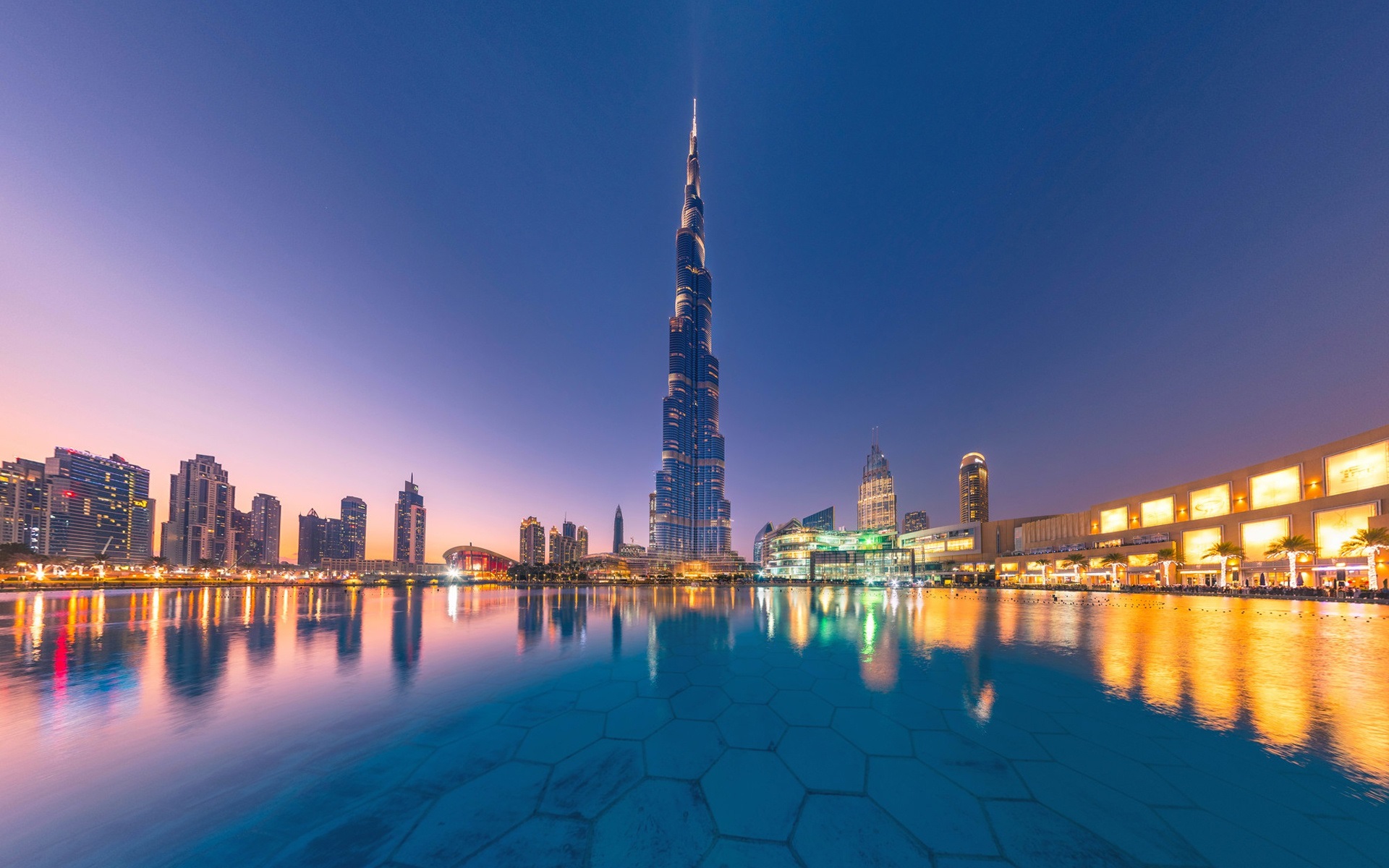
Dubai is one of the most popular cities in the world for living, working, and investing. It's called the business hub in the world. This city offers modern waterfront homes, advanced and excellent amenities, and a strong transportation system for locals and tourists. It has advanced lifestyle communities, from busy city areas to peaceful family communities.
Dubai is a large city with high-rise commercial buildings and many different communities. If you're looking for a busy city lifestyle or a quiet and family-friendly area, there are many options to choose from.
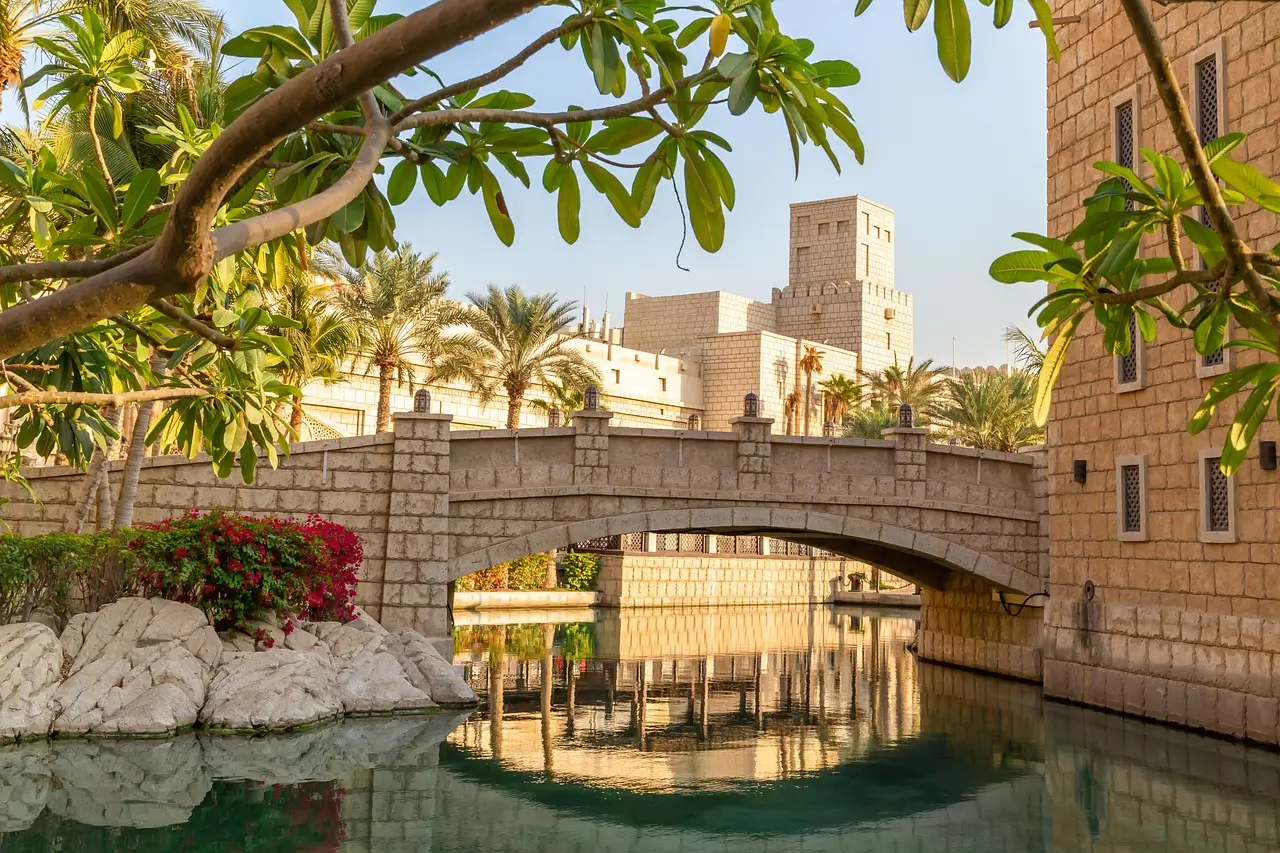
And it has grown into something hard to simply categorize. A global city, yes, but also a practical one. Tax-free income, world-class healthcare, and international schools following a dozen different curricula. So, whether someone is moving for work, family, or investment, the city has a place for them.
The range here is genuinely wide. Whether someone is looking for a studio apartment or a sprawling family villa, the city has something for most of them.
Concentrated in Downtown Dubai, Business Bay, and Dubai Marina. These are the dense, vertical neighborhoods where most single professionals and young couples tend to gravitate. Layouts are from studios to four-bedroom units with floor-to-ceiling glass and city views.
There are many communities in Dubai, like Arabian Ranches, Emirates Hills, and Dubai Hills Estate, which border Al Barsha and Umm Suqeim. These are family-oriented developments with gated roads, private gardens, and a noticeably quieter rhythm.
Popular in Jumeirah Village Circle and Mudon. A middle ground between apartment and villa life, with modest outdoor space and multi-floor layouts. JVC in particular has grown quickly and borders Jumeirah Village Triangle.
These are for offices and retail units in DIFC, Business Bay, and Downtown. Dubai Healthcare City, between Oud Metha and Al Jaddaf, is also a selected free zone for medical businesses with its own licensing structure.
Foreigners can have freehold property, but only in certain zones that are allowed by the government to give freehold property. In 2025, the government announced that Al Jaddaf and a few parts of Sheikh Zayed Road would soon become full freehold ownership.
Average profits from rentals as of 2025 are around 6 to 8% for apartments and 5 to 7% for villas. But areas like Dubai Marina, JVC, and Dubai Hills often perform toward the higher end.
Dubai City is made up of communities that each attract a different kind of resident. Some are drawn to the energy of the city center, others prefer peaceful suburban streets. Here is a look at six of the most established places to live.
Downtown is the most iconic address in the city. Dubai's downtown is around the Burj Khalifa and Dubai Mall, and life there is very much urban, walkable, busy, and vertical. Most of its residents occupy high-rise apartments. It has Business Bay to its south, and the metro connectivity makes traveling without a car very manageable.
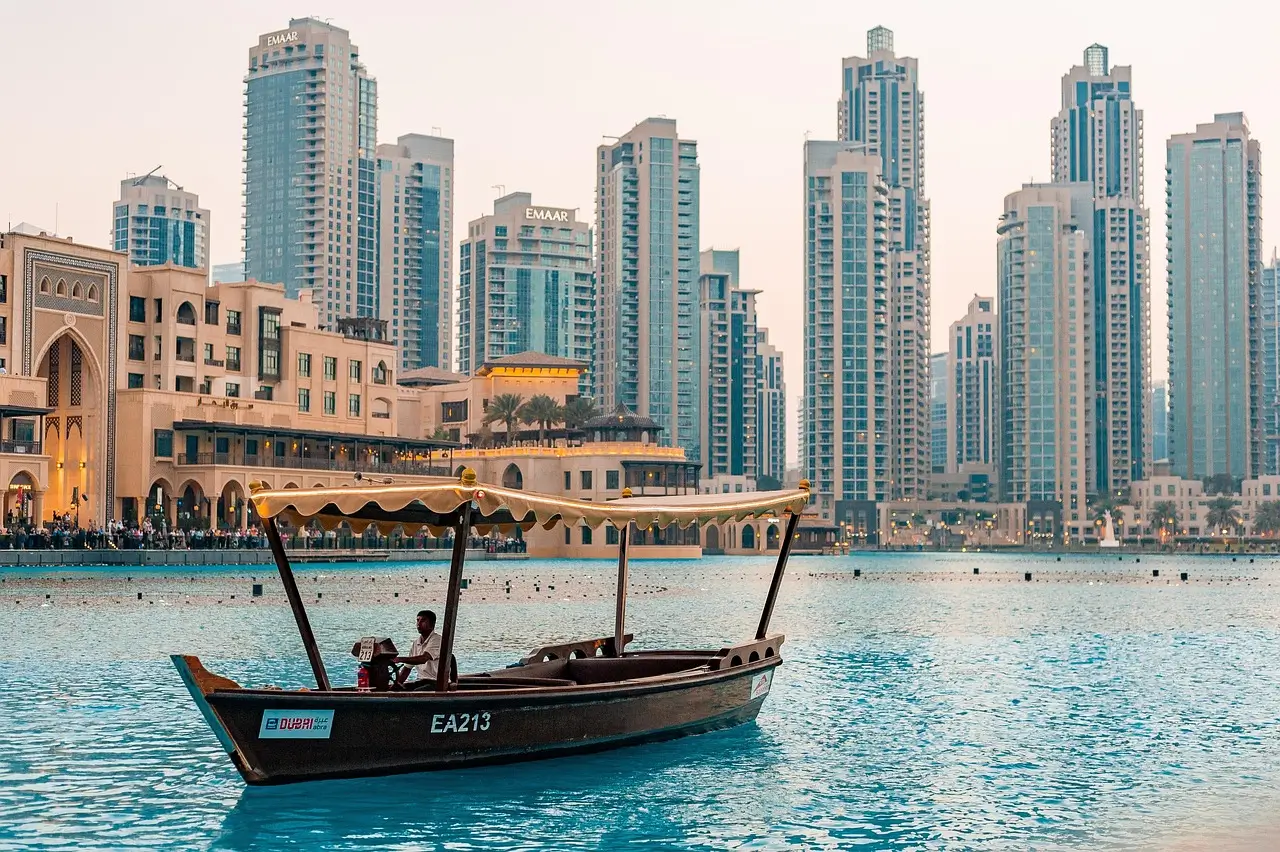
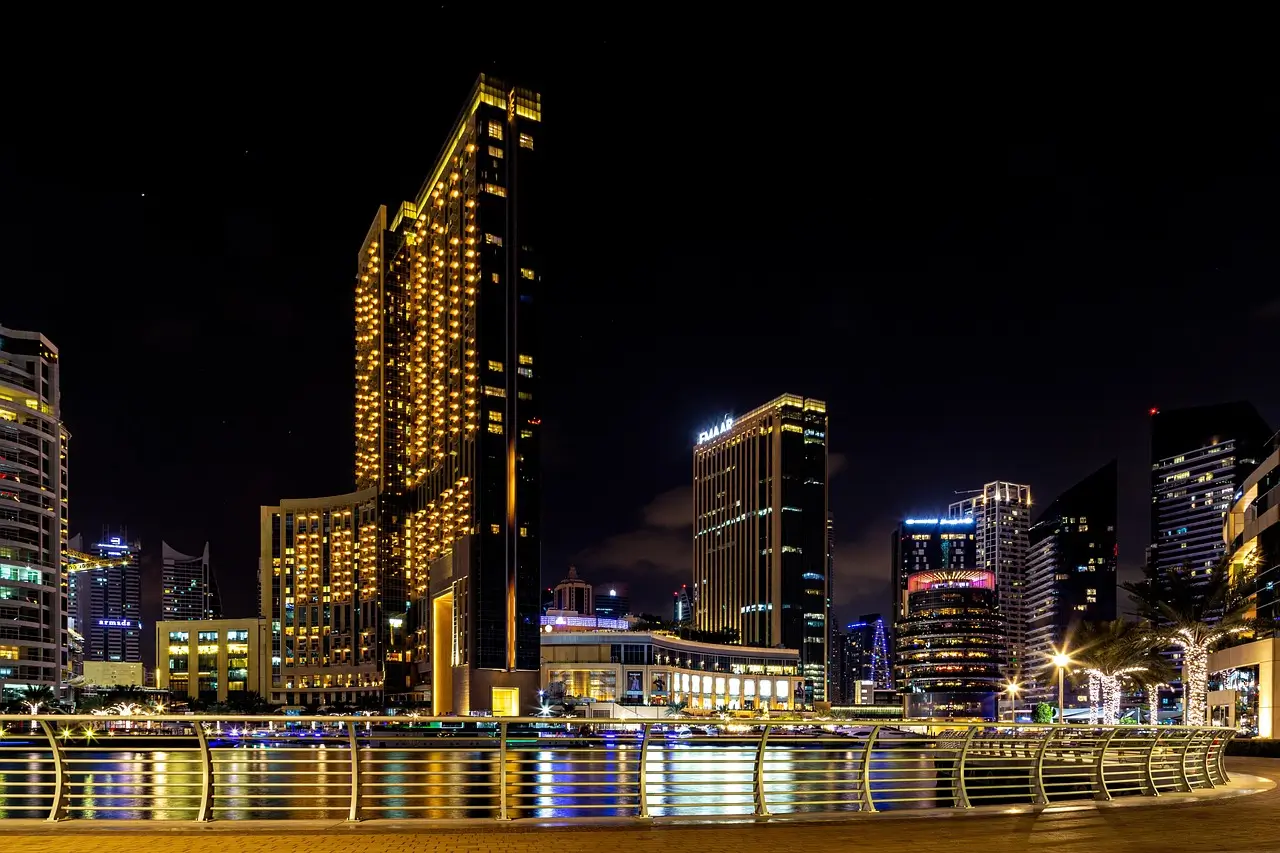
Dubai Marina is a waterfront community around an artificial canal, with a walking loop of 5-kilometer and dense restaurants, cafés, and gyms. Most properties in Dubai Marina are apartments that range from studios to large luxury penthouses. It has Jumeirah Lake Towers and JBR on its border, and the atmosphere generally is active and social, a little relentless if quiet is what someone is after.
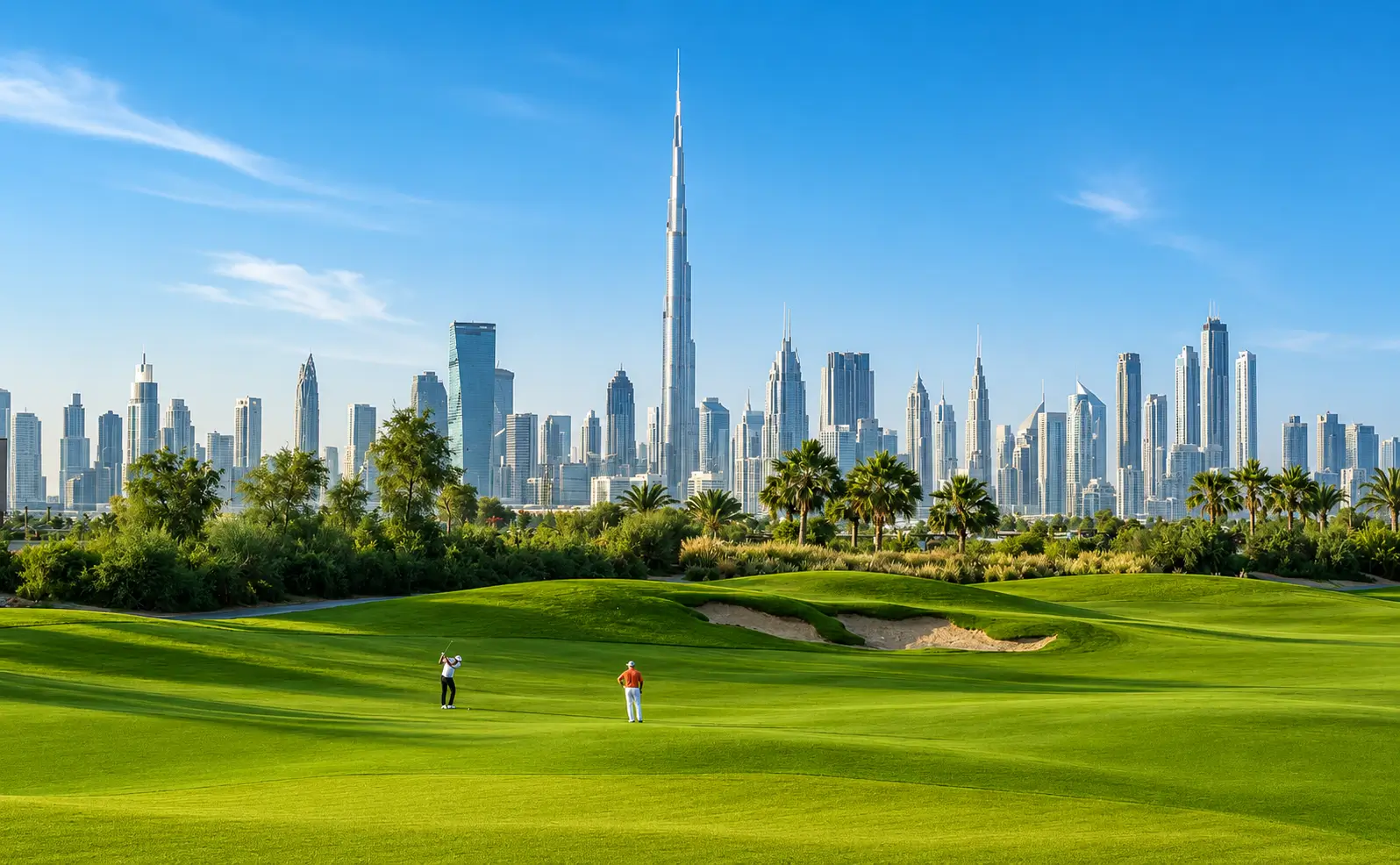
Dubai Hills Estate is a newly planned community that has rapidly grown. On its edges, Dubai Hills Estate has Al Barsha South and Umm Suqeim. The area has plenty of villas, townhouses, and apartments, all surrounding an 18-hole golf course. Due to its civil facilities, such as multiple options for schools, the parks, and the calmer pace, it is preferred mostly by families.
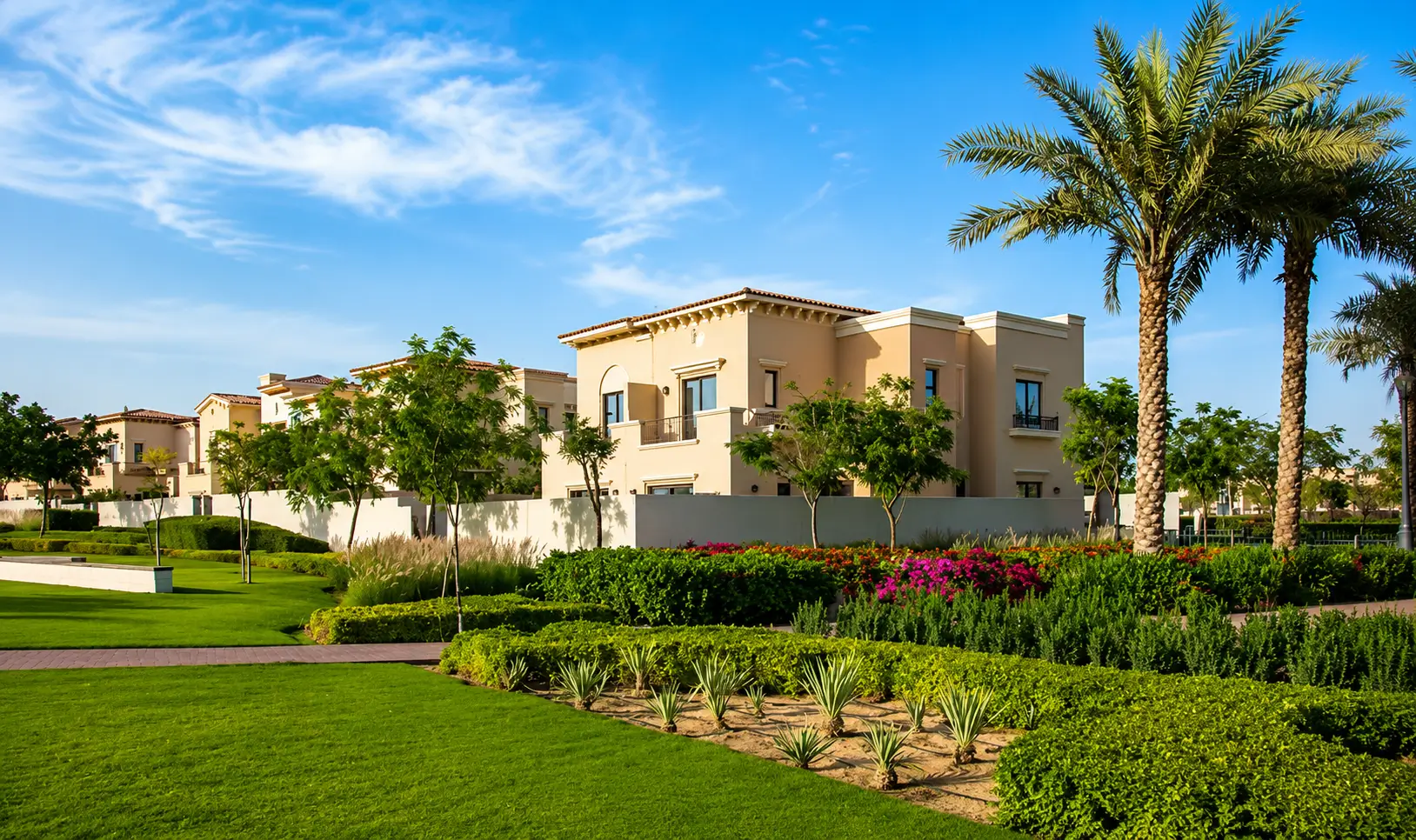
Arabian Ranches is among Dubai's fully established villa communities, bordering Remraam and Mudon. With a quiet, truly suburban feel, many residents seem to value Arabian Ranches deeply in the long run. Schools are within the vicinity, and the streets are gated and tree-lined. Being a little far from the city's energy makes its distance usually the point for people who desire peace.
JVC has expanded extensively over the past few years, and now it borders Jumeirah Village Triangle on one side. You will find apartments and townhouses in JVC at quite accessible price points. The whole community is dense and is still developing in parts, but rentals are very lucrative in JVC. A good choice for those who want space without paying Marina or Downtown rates.
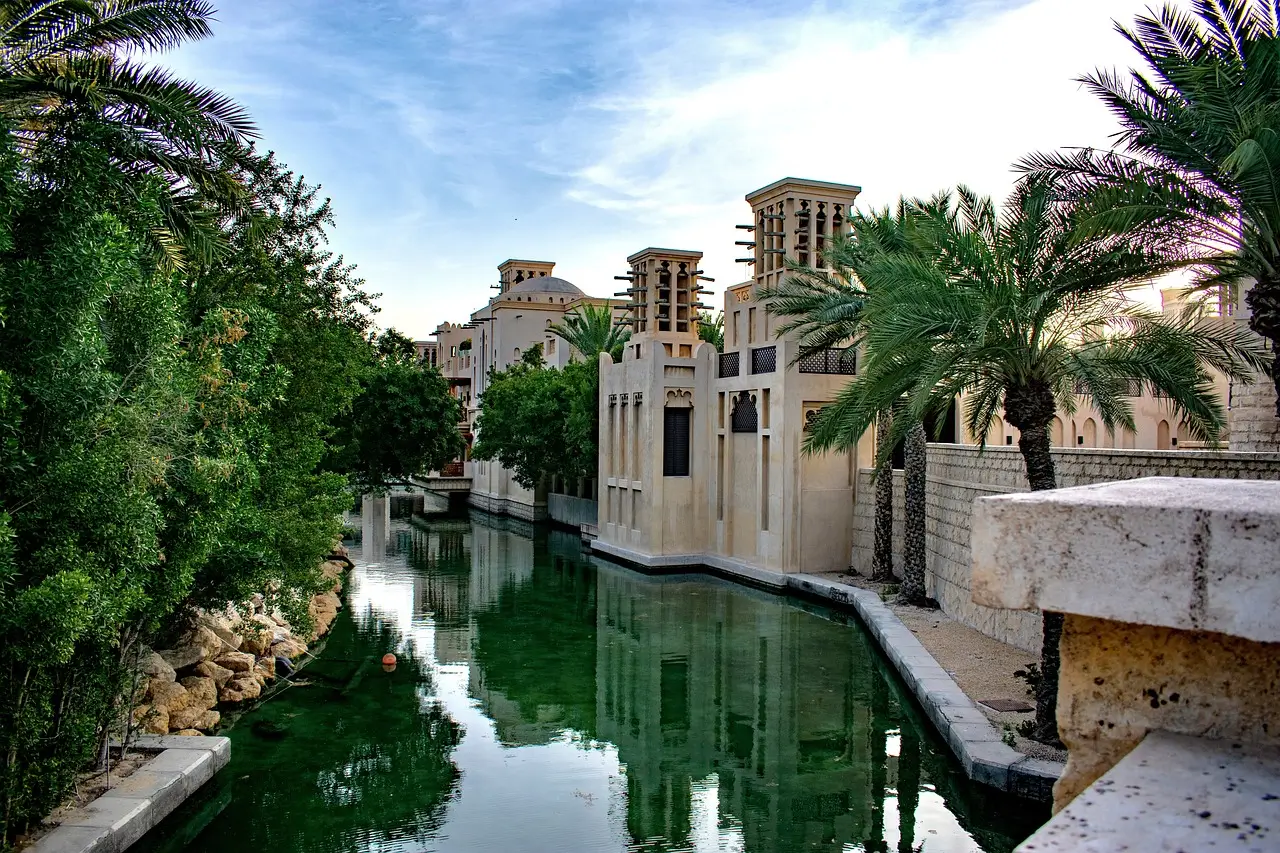
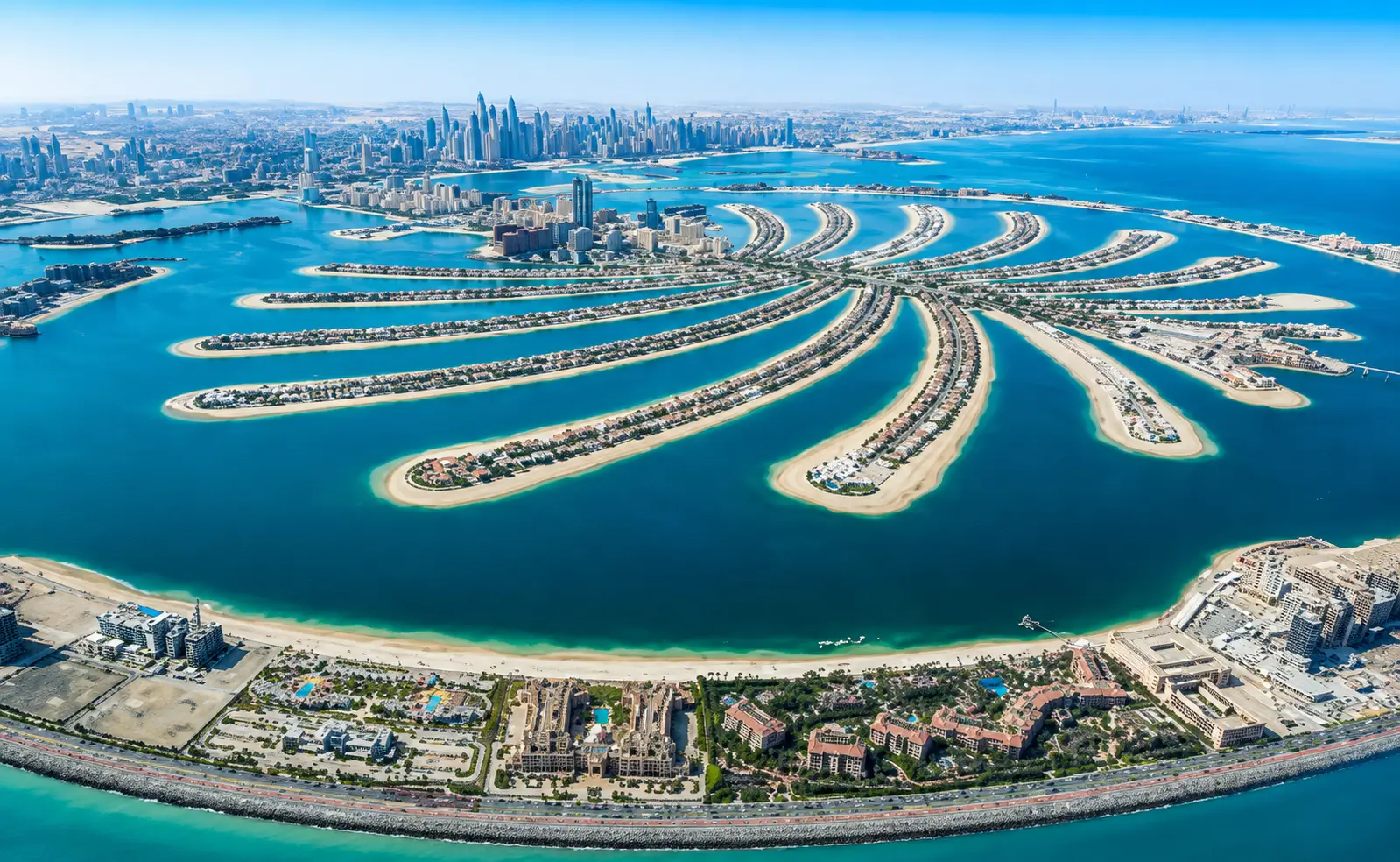
Palm Jumeirah is a globally famous artificial island shaped like a palm tree, made on the coast of Dubai Marina. Properties in Palm Jumeirah are apartments in the trunk-part and villas in the fronds part. Life on the Palm, one of the world’s most recognizable addresses, is just as you would expect it: quiet and peaceful. Removing from the mainland suits some residents and surprises others.
Dubai offers British, American, IB, Indian, French, and other international curricula through hundreds of private schools. Dubai’s popular family communities, such as Dubai Hills Estate, Arabian Ranches, Jumeirah, and Mirdif, have access to highly rated schools.
Dubai's healthcare system has grown considerably, and the quality at accredited private hospitals is genuinely high. Many doctors are trained abroad and speak multiple languages, which matters in a city this international. Public facilities handle urgent care, maternity, and community health. Private hospitals, day-surgery centers, and specialty clinics have expanded into primary care, women's health, and fertility.
Just off Oud Metha Road, this hospital has been serving the expat community for decades. It is JCI-accredited and handles a wide range of specialties. One of the more familiar names for long-term Dubai residents. Easy to reach from Dubai Healthcare City and the surrounding Oud Metha area.
Located within Dubai Healthcare City, bordering Al Jaddaf. A multispecialty private hospital with a wide range of departments, including oncology, orthopedics, and neurology. The setting within DHCC means it is surrounded by other specialist clinics, which is useful when referrals are needed.
Also within Dubai Healthcare City. A branch of the well-known London institution, focusing exclusively on eye care. It draws patients from across the UAE and beyond, which says something about its standing. Rashid Hospital, on the other hand, is a government hospital near Bur Dubai and Oud Metha. It handles trauma and emergency care and is one of the main public referral hospitals in the emirate.
It is in Al Bur Dubai, close to Al Karamah. Part of the Aster DM Healthcare group, which operates widely across the UAE and India. Serves a large proportion of the South Asian expat population in that part of the city. Walk-in clinics and pharmacies are part of the same network.
The Dubai Mall is in Downtown Dubai, which borders Business Bay to the south and DIFC to the north. Beyond luxury shopping, it has an Olympic-size ice rink, an aquarium, and an enormous range of dining options along Sheikh Mohammed bin Rashid Boulevard. It is genuinely overwhelming on a first visit, in a way that becomes oddly normal after a while.
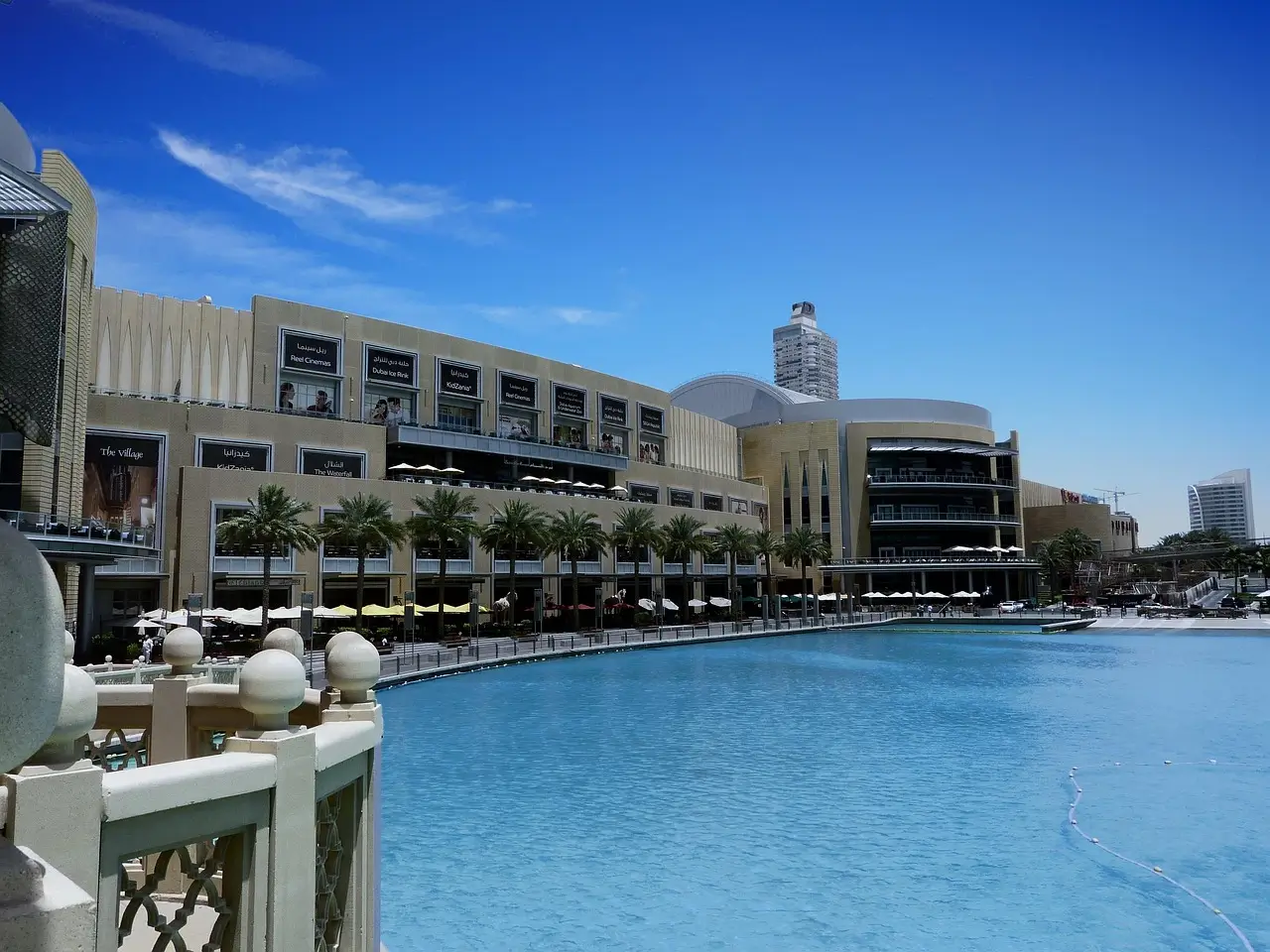
Dubai Marina Mall carries around 140 retail outlets and sits at the heart of Dubai Marina. More manageable in scale than the Dubai Mall and close enough to The Walk at JBR that both can be visited together. The Walk itself is an outdoor dining and café strip with a casual, open-air feel quite different from downtown.
Nakheel Mall is on Palm Jumeirah, connected by the Palm Monorail and bordering Dubai Marina at its base. A quieter shopping experience than the city-centre malls, with some well-regarded restaurants and a cinema. Residents of the Palm use it regularly rather than making the longer drive to downtown.
The Pointe & Club Vista Mare are both on Palm Jumeirah, facing the Dubai skyline. Primarily dining and light retail, and genuinely pleasant in the evening. The views across to the Marina and JBR skyline are good.
Dubai Festival City Mall borders Al Jaddaf and Al Kheeran. A large-format mall with a canal-facing waterfront, regular fountain, and laser shows, and a solid mix of dining options. Perhaps underrated compared to the bigger names, but well-visited by residents in that part of the city.
Near Dubai Healthcare City and Oud Metha. Egyptian-themed architecture that is distinctive, possibly a little much if you're encountering it for the first time. Mid-scale retail mix with some good dining choices. Long-standing favorite among residents in the Oud Metha and Umm Hurair areas.
In Al Barsha, bordering Umm Suqeim and close to Dubai Hills Estate. Has a ski slope inside, which remains remarkable regardless of how many times you pass it. Strong mix of retail, dining, and entertainment. Convenient for residents across the western and southern corridors of the city.
Life in Dubai carries a dual quality, modern and ambitious in some ways and deeply traditional in others. The city is clean, safe, and well-organized. The working week runs from Sunday to Thursday. That takes adjustment for many newcomers, but eventually it becomes the rhythm, and everything else falls.
Modest dress is expected in public spaces and government buildings. Public displays of affection are discouraged and can carry legal consequences. During Ramadan, eating and drinking in public during daylight hours is not permitted. These are not just formal rules, they reflect a cultural fabric that most long-term residents come to respect over time, even if the adjustment takes some getting used to.
Old Dubai, Deira to the north of the Creek and Bur Dubai to the south, carries a layered, traditional character that the newer districts simply don't have. Something worth exploring before settling entirely into the newer parts of the city. And communities like Jumeirah Village Circle, bordering Town Square toward the southern edges, have a quiet pace that families appreciate more than they expected.
Dubai's outdoor life is more active than many people expect. Much of it happens early in the morning or after sunset, particularly from May through September. But the city has genuinely built its infrastructure around it.
A 5-kilometer running and walking loop along the Marina waterfront. Free water refill stations at intervals. The Jumeirah Johns Running Club meets here every Monday, open to all paces and fitness levels. A practical and pleasant route, especially before 8 AM.
Bordering Dubai Healthcare City and Oud Metha. A large green space with walking paths, barbecue areas, a dolphinarium, and a cable car running across part of the park. Used regularly by families in the area. It borders Culture Village and Al Jaddaf, and the surroundings have a somewhat quieter feel than the western parts of the city.
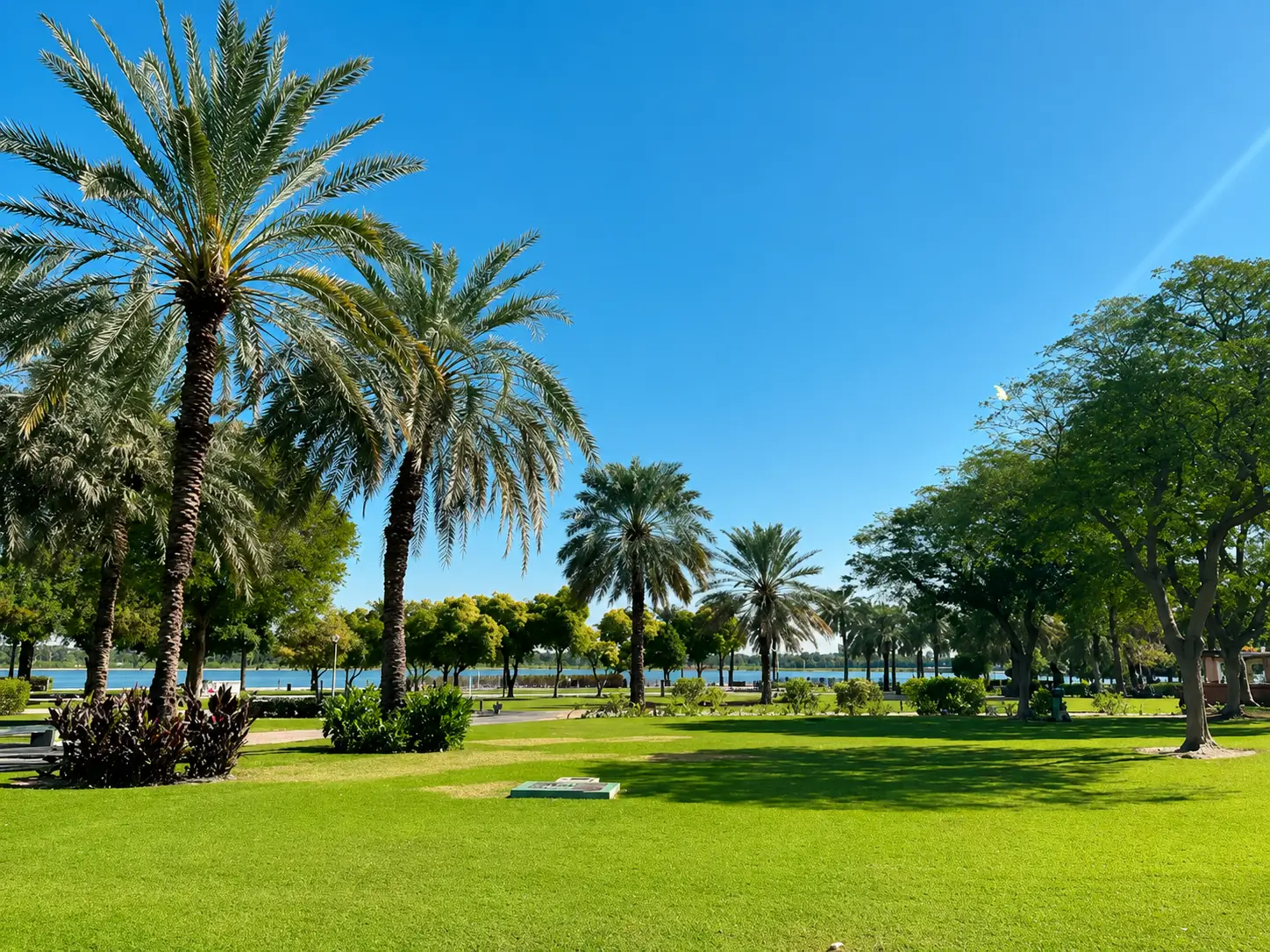
Near Za'abeel and Al Karama, and not far from the Dubai Frame. A well-maintained park with open lawns, a miniature golf course, and good walking paths. The Dubai Frame sits on its edge and offers split views, old Dubai on one side, the modern skyline on the other.
In Dubai Marina, at Al Fattan Marine Towers. Spans over 35,000 square feet across two floors. HIIT, spin, functional training, an infrared sauna, cold plunges, and cryo beds. One of the more complete facilities in the city. Not inexpensive, but comprehensive.
In DIFC and Marina Mall. High-intensity interval training in a high-energy setting. Known for results-focused classes with professional trainers. The DIFC location puts it conveniently close to Business Bay and Downtown for weekday sessions.
Inside Dubai Marina. Group fitness classes, strength equipment, cardio zones, and personal training. Convenient for Marina residents and those living in JBR or Jumeirah Lake Towers nearby.
Safety, infrastructure, and opportunity are things Dubai delivers. The city is clean, well-connected, and tax-free, which matters more. Healthcare and schools are internationally accredited. And the lifestyle, whether someone prefers beachfront living or a quieter villa community, is surprisingly easy to settle into.
But the cost of living is real. Summer heat is relentless and keeps people indoors for months. Traffic between certain areas, Sharjah and Dubai especially, can quietly wear on daily life. Rents have climbed steadily, and the city can sometimes feel transient, like people are always just passing through.
Can foreigners legally own property in Dubai City?
Yes. Foreign nationals can purchase freehold property in designated zones across Dubai. Areas of the city, such as Downtown, Dubai Marina, and Dubai Hills Estate, are fully open to international buyers. The Dubai Land Department has the official register of eligible freehold areas worth checking before committing.
What is the best area for families to live in?
Arabian Ranches, Dubai Hills Estate, and Jumeirah are generally considered the most family-friendly. Good schools, quieter streets, and parks are close at hand in all three. Perhaps Dubai Hills edges ahead slightly for newer infrastructure and school availability.
Is Dubai City safe enough for everyday living?
Dubai is consistently ranked among the safest cities in the world. Crime rates are low in Dubai, and all of the streets are fully monitored 24/7. Public spaces are secure, so most residents, including those living alone, rarely find safety or anything to worry about.
 Park
Park Restaurant
 School
 Hospital
 Mall
Mall Cinema
Unlock an Exclusive Deal!
New Units for Sale Coming Soon
Find your dream property for Sale with expert guidance and personalized support
Consultation with Our Expert
We will call you back within an hour and also send you additional information by emailUnlock an Exclusive Deal