Explore Guide in Al Maffraq
What This Area Feels Like
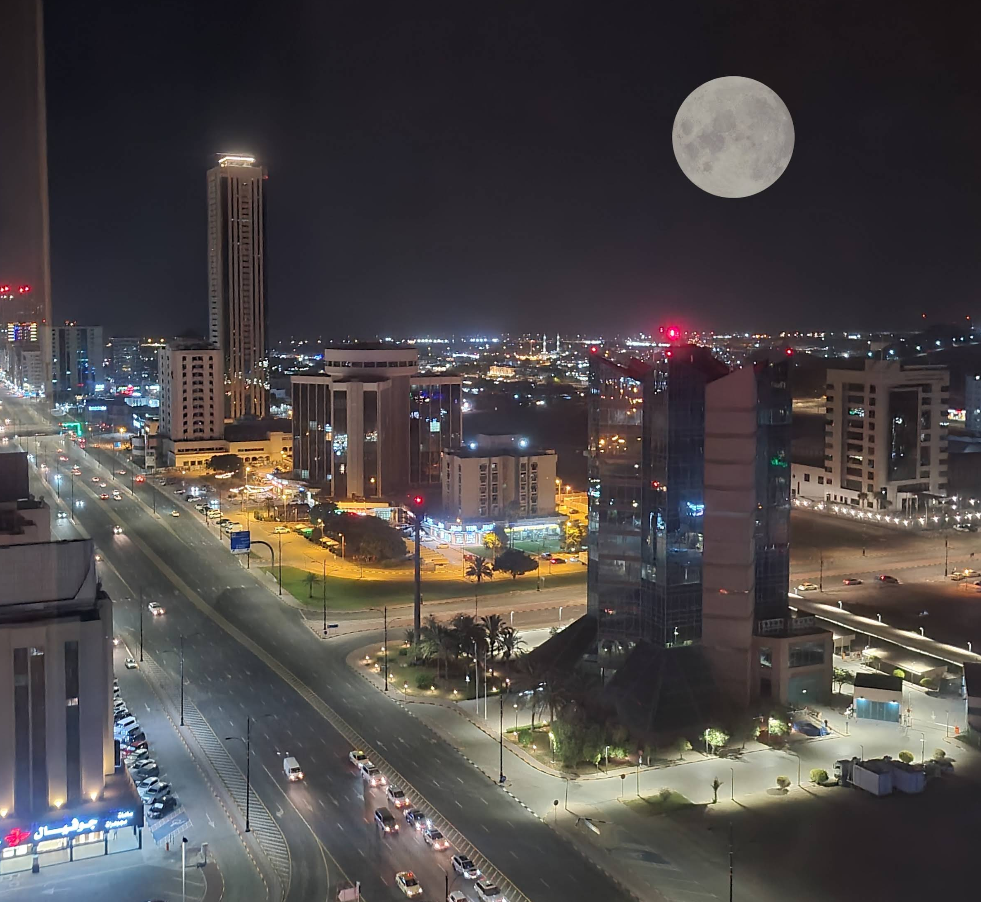
Al Mafraq occupies a strategic junction between Abu Dhabi, Al Ain, Bani Yas, and Al Shawamekh, giving it transit connectivity that appeals to commuters and families. The district maintains a residential character with organized streets, spacious villa layouts, and low traffic density. This setup reduces daily noise and creates predictable commuting patterns, which matters for households valuing routine and stability. Property seekers focused on capital appreciation often track areas with strong connectivity, and Al Mafraq's position on major arterial routes historically supports steady demand.
The atmosphere skews suburban and family-centric. You won't find dense high-rises or nightlife clusters here. Instead, expect wide streets, compound-style communities, and a quiet rhythm suited to long-term residents rather than transient tenants. This demographic profile typically translates to lower tenant turnover and longer lease durations, which landlords prefer for cash flow stability.
The Community Around You
Residential stock in Al Mafraq leans toward villas and larger apartments, most designed with outdoor space and privacy. Floor plans accommodate multi-generational households, a common structure in the UAE, which creates built-in demand stability. Properties with private yards and parking attract families who prioritize space over proximity to entertainment hubs, a trade-off that often yields better price-per-square-meter ratios compared to central Abu Dhabi districts.
The community layout emphasizes separation between residential and commercial zones, reducing mixed-use friction. Neighborhoods remain calm, with minimal through-traffic, which benefits resale appeal and rental premiums for family-focused units. Investors targeting the mid-term rental market (1-3 years) find this profile advantageous because tenant retention rates typically outperform transient downtown locations.
Daily Life & Essentials
Grocery stores, mini markets, and daily service centers cluster within short driving distances, covering routine household needs without requiring trips into central Abu Dhabi. This convenience layer supports occupied homeowners and reduces perceived friction for prospective tenants evaluating the area. Nearby shopping centers provide retail variety for clothing, electronics, and household goods, ensuring residents can complete most errands locally.
Dining options include family-friendly restaurants and cafés reachable within a 5-10 minute drive. The selection favors casual, everyday meals rather than premium or specialty cuisine, aligning with the area's residential profile. Beauty salons and grooming centers operate close to the community, delivering standard personal-care services without significant travel time.
Schools & Healthcare Nearby
Al Mafraq hosts multiple schools and nurseries covering early childhood through secondary education. Access to quality schooling within a short commute is a primary driver for family relocation decisions, directly influencing rental demand and resale liquidity. Areas with established school catchments typically see lower vacancy rates during academic cycles, which stabilizes landlord income streams. The presence of early-learning centers also appeals to younger families, broadening the tenant pool.
Sheikh Shakhbout Medical City, one of Abu Dhabi's flagship hospitals, sits close to the district. Proximity to a tertiary-care facility matters for families with children or elderly members and serves as a tangible quality-of-life factor during tenant evaluations. Additional clinics and specialized healthcare centers operate nearby, reducing dependency on emergency travel and adding another layer of residential appeal.
Getting Around the City
Al Mafraq connects directly to the Abu Dhabi-Al Ain highway and other major routes linking Bani Yas and Al Shawamekh, creating a transit-oriented advantage. Commuters traveling to Abu Dhabi's business districts or Al Ain's industrial zones benefit from straightforward, highway-based routes that avoid congested urban cores. This reduces daily commute friction and expands the viable tenant base to include professionals working in multiple employment hubs.
Internal road networks remain organized and well-maintained, with minimal bottlenecks during peak hours. For landlords, transit efficiency correlates with tenant retention; areas where commutes remain predictable and manageable tend to see longer lease renewals. Investors evaluating capital appreciation often prioritize locations with strong road infrastructure, as future densification or commercial expansion relies on these arterial connections.
Lifestyle & Weekend Spots
Outdoor recreation in Al Mafraq centers on walking paths, jogging routes, and open spaces suitable for light exercise and family outings. While the district lacks major leisure destinations, nearby areas provide access to malls, cinemas, and entertainment venues within a short drive. This balance appeals to residents who prefer quiet weekdays but want weekend options within reach.
Fitness centers and gyms operate near the community, delivering standard workout facilities and group classes. The availability of these services supports an active lifestyle without requiring long trips, a convenience factor that younger professionals and health-conscious families weigh during location decisions. For investors, lifestyle amenities contribute to tenant satisfaction and indirectly influence renewal rates.
The surrounding region offers several hotels suited for short-term visitors and family guests. These lodging options enhance the area's utility for residents hosting relatives or business contacts, adding practical value to the community's overall profile.
What's Coming Next
Al Mafraq is undergoing gradual infrastructure upgrades focused on residential services and community facilities. Improvements in road networks, public utilities, and retail offerings signal governmental commitment to the district's long-term viability. For property investors, ongoing development typically supports price stability and reduces obsolescence risk, particularly in mid-market residential segments.
The area's strategic position suggests potential for future commercial expansion as Abu Dhabi's urban footprint extends outward. While speculative, increased service density and enhanced connectivity would likely compress vacancy rates and improve rental yields over multi-year holding periods. Investors with medium-term horizons often favor districts in this transitional phase, where current pricing reflects today's amenities but future appreciation may capture tomorrow's enhancements.
Common Questions
Is Al Mafraq suitable for families?
Yes. The district provides spacious homes, nearby schools, and a calm residential environment that aligns with family priorities. Lower tenant turnover and longer lease terms are common in family-dominated areas, benefiting landlords seeking stable income.
Are healthcare services available nearby?
Yes. Sheikh Shakhbout Medical City, a leading tertiary-care hospital, operates close to the community, alongside multiple clinics and specialized centers. Proximity to quality healthcare is a measurable factor in tenant decision-making and resale appeal.
Are there shopping options?
Yes. Several retail centers and daily service shops operate near Al Mafraq, with larger malls accessible by short drives. This convenience layer supports routine household needs without requiring frequent long-distance trips.
What activities are available?
Residents use outdoor walking and jogging areas, nearby fitness centers, and family-friendly spaces for recreation. While the district itself is residential-focused, surrounding areas provide additional entertainment and dining options within a 10-15 minute drive.