

Explore Guide in Al Khatim
What This Area Feels Like
Al Khatim occupies the desert corridor between Abu Dhabi and Al Ain, offering investors and residents a low-density alternative to urban density. The area trades high-rise infrastructure for expansive private plots, working farms, and uninterrupted desert horizons. This is not a compound-led development; properties sit on spacious land parcels, attracting buyers who prioritize privacy, outdoor space, and rural autonomy over proximity to city centers.
For investors, Al Khatim presents a niche play: low entry costs per square meter, minimal strata fees, and appeal to a specific tenant demographic seeking seclusion and self-sufficiency. The desert setting also positions the area as a gateway for adventure tourism operators and weekend retreat concepts. Light traffic, absence of noise pollution, and open skies define the daily environment.
The Community Around You
Residential stock in Al Khatim consists of independent villas, agricultural plots, and private farms rather than integrated master-planned communities. There are no large-scale compounds or homeowner associations governing common areas. This structure suits families seeking autonomy and low ongoing service charges, but it also means limited shared amenities like communal pools or children's play zones.
The tenant profile skews toward multi-generational families, expatriates with livestock or equestrian interests, and retirees prioritizing quiet living. Investor takeaway: rental demand is selective but stable, driven by tenants willing to commute in exchange for space and lower rent per bedroom compared to Abu Dhabi city.
Daily Life & Essentials
Al Khatim supports baseline daily needs through small supermarkets and local shops stocking groceries, household essentials, and farm supplies. For broader retail, residents drive to Bani Yas or Al Ain, where full-service malls and hypermarkets operate. Dining options within Al Khatim are limited to local eateries serving straightforward meals; variety and international cuisines require travel to neighboring urban zones.
This lean service environment reduces operating costs for landlords but narrows tenant appeal to those comfortable with a 20–30 minute drive for non-essential shopping. Investors should factor in tenant turnover sensitivity if fuel costs rise or if remote work trends reverse, increasing commute friction.
Schools & Healthcare Nearby
Education and medical infrastructure remain basic. Al Khatim Primary and Secondary School serves local families, but parents seeking international curricula or specialized programs typically enroll children in Bani Yas or Al Ain institutions, adding daily commute time. This limits appeal to families with young children in early education phases or those homeschooling.
Healthcare access centers on Al Khatim Healthcare Center, which handles routine consultations and minor treatments. Emergency care, specialist consultations, and diagnostic imaging require travel to Al Shawamekh or Al Ain facilities. For investors, this healthcare gap means tenant demographics skew toward younger, healthier families rather than retirees needing frequent medical access.
Getting Around the City
Transportation infrastructure depends entirely on private vehicles. Public transit does not operate in Al Khatim, and ride-hailing coverage is sparse. Well-maintained highways connect the area to Abu Dhabi and Al Ain, with light traffic ensuring predictable commute times. Wide roads and minimal congestion reduce vehicle wear and fuel inefficiency compared to stop-and-go city driving.
This car-dependent model affects tenant acquisition: households must own at least one vehicle per working adult, raising monthly transport costs. Investors targeting this market should recognize that tenants value parking availability and proximity to highway access points over walkability or metro links.
Lifestyle & Weekend Spots
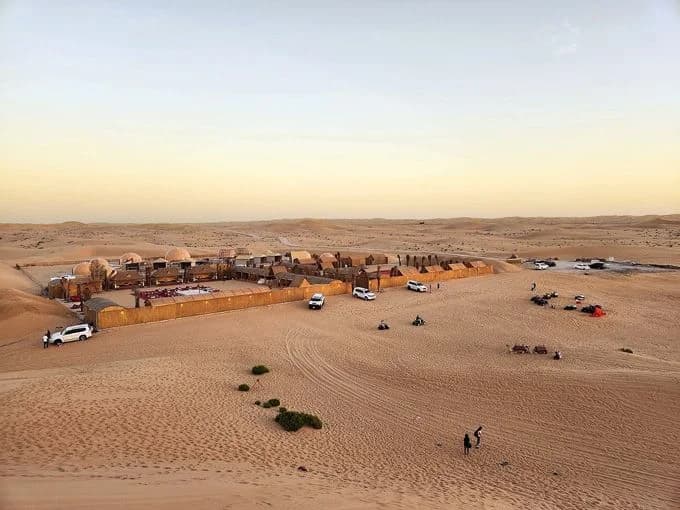
Al Khatim's primary lifestyle draw is its natural desert landscape, enabling outdoor recreation without permit restrictions or crowded facilities. Popular activities include:
- Desert safari excursions
- Overnight camping under open skies
- Quad-biking across dune fields
- Sandboarding and off-road driving
- Nature photography and stargazing
Fitness infrastructure is minimal. Residents use outdoor space for running or cycling, while structured gym access requires membership in neighboring districts. Beauty and wellness services operate through small salons in nearby communities, with full spa experiences available in Abu Dhabi city. This self-directed lifestyle appeals to active tenants but may not suit those accustomed to on-demand urban amenities.
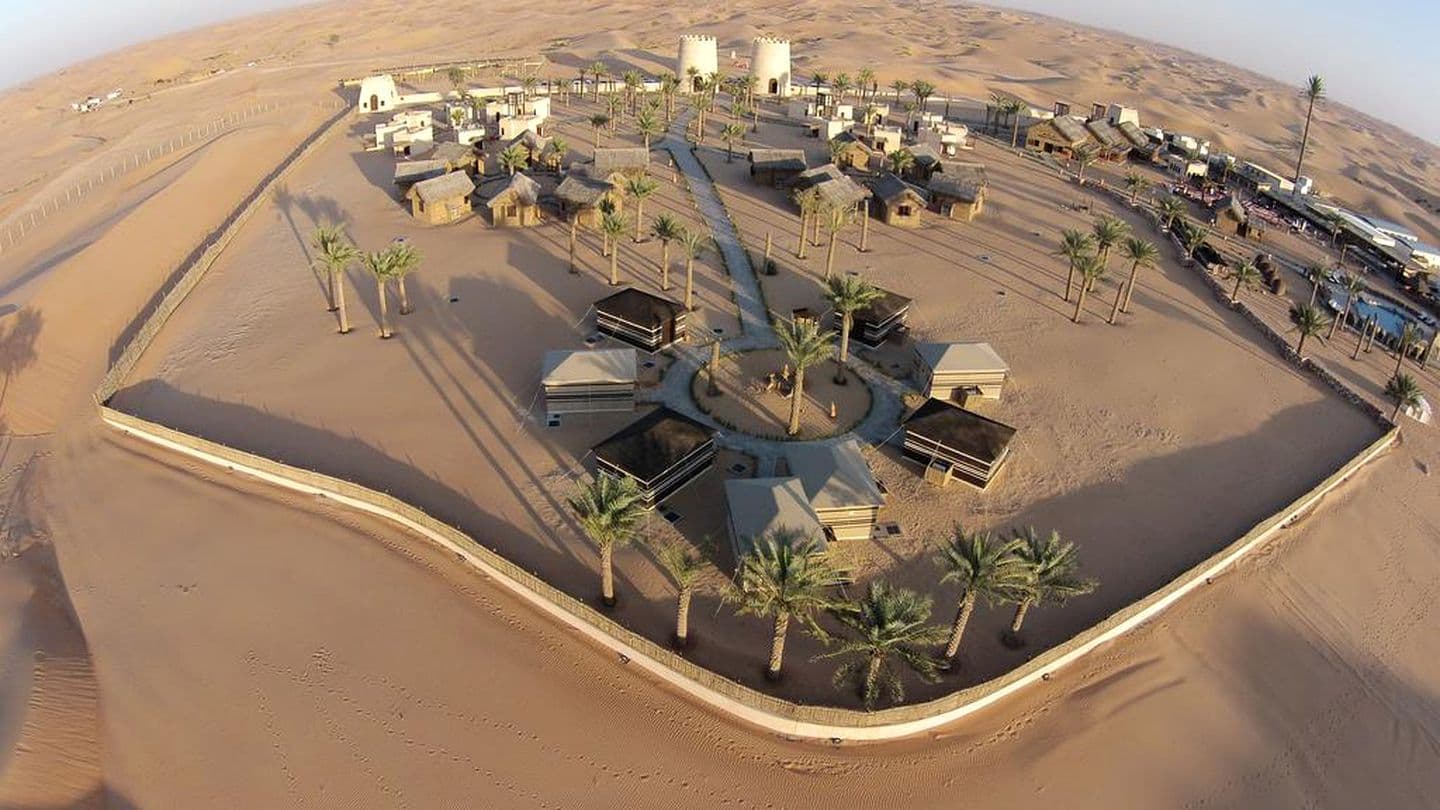
Accommodation options in the surrounding desert include boutique lodges, safari camps, and luxury desert retreats catering to weekend tourists. These ventures signal growing interest in experiential tourism, potentially driving secondary demand for short-term rental properties if regulatory frameworks evolve.
What's Coming Next
Future development in Al Khatim will likely follow organic expansion patterns rather than large-scale master plans. Growth areas include additional private estates, expansion of existing farms, and potential eco-tourism or agritourism projects leveraging the desert environment. As urban residents increasingly seek rural second homes or remote work retreats, demand for low-density land parcels may rise.
Infrastructure improvements will depend on population density thresholds. Investors should monitor road upgrades, utility expansions, and any government initiatives targeting rural connectivity or agricultural zone incentives. Service sector growth—additional clinics, schools, or retail clusters—will track residential population increases, but timelines remain uncertain without formal district development roadmaps.
Common Questions
Is Al Khatim suitable for families?
Yes, particularly families prioritizing privacy, outdoor space, and rural autonomy. Households must accept limited local schooling options and longer commutes for specialized services.
Are there schools nearby?
Al Khatim has a local primary and secondary school. Families seeking international curricula or broader academic programs typically enroll children in Bani Yas or Al Ain institutions.
Are services available within the area?
Basic daily needs—groceries, household items—are covered locally. Major retail, dining variety, and entertainment require a short drive to Bani Yas or Al Ain.
What activities are popular in Al Khatim?
Desert-based recreation dominates: safaris, quad-biking, camping, sandboarding, and nature exploration. The area attracts adventure enthusiasts and weekend escapers from urban centers.