Explore Guide in Al Waha
What Makes Al Waha a Strategic Investment Location?
Al Waha sits within Al Ghadeer, Abu Dhabi's fastest-growing suburban corridor developed by Aldar Properties. Positioned directly between Abu Dhabi and Dubai on Sheikh Mohammed Bin Zayed Road, the area delivers genuine location arbitrage: capital city employment paired with affordable housing. This midpoint geography cuts commute stress for dual-city professionals while avoiding the premium pricing of central districts. The master plan prioritizes pedestrian-friendly design, solar infrastructure, and community farming concepts—factors that attract long-term tenants and improve resale positioning.
For investors, Al Waha represents early-stage entry into a supply-constrained corridor. With limited competing inventory between the two emirates, rental demand remains consistent from young families seeking space without urban density. The developer's phased rollout ensures infrastructure keeps pace with population growth, reducing the vacancy risk common in speculative projects.

Housing Options: Apartments, Townhouses, and Villas
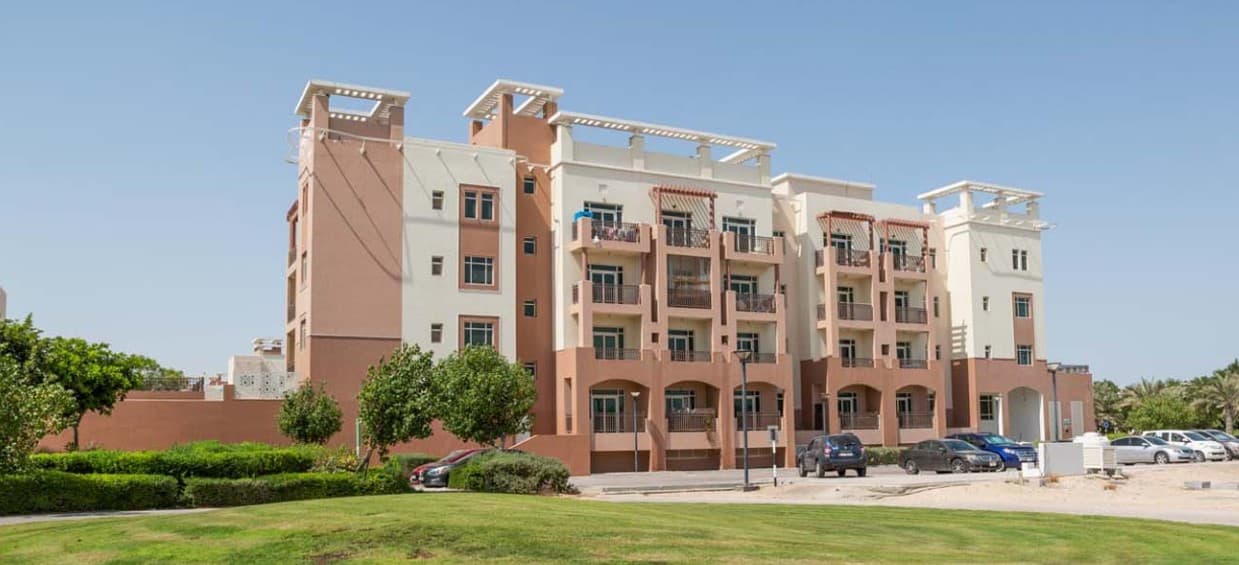
The residential mix spans low-rise apartments, townhouses, and villas, each embedded in landscaped zones with green walkways and shaded parks. Unit layouts favor families, with functional floor plans and private outdoor access in townhouse and villa formats. Shared amenities include community pools, gyms, and children's play areas, reducing the need for external memberships.
This diverse product range allows investors to target different tenant segments: apartments capture young professionals and couples, while townhouses and villas secure multi-year leases from families tied to nearby schools. The low-rise architecture maintains resale appeal by avoiding the oversupply issues plaguing high-rise clusters in older Abu Dhabi districts.
School Access and Education Infrastructure
Al Ghadeer itself is still building out dedicated school facilities. Until local options launch, families rely on established institutions within a 20-25 minute radius:
- British Oak Montessori Nursery (Dubai Investment Park)
- Greenfield International School (Dubai)
- The Winchester School (Jebel Ali)
All three follow the British curriculum, a key draw for expatriate tenants prioritizing continuity if relocating between GCC cities. For landlords, proximity to recognized schools shortens vacancy cycles and justifies premium rents during peak enrollment periods. Future phases of Al Ghadeer's master plan allocate land for on-site schools, which will eliminate the commute factor and further tighten the rental market once operational.
Healthcare Facilities and Medical Access
The Al Ghadeer Clinic handles routine medical needs, from pediatric check-ups to minor injuries. For specialist care or emergencies, residents access:
- NMC Royal Hospital, DIP (25 minutes)
- Mediclinic Parkview Hospital (30 minutes)
This healthcare setup supports the tenant demographic—young families needing quick access to pediatric and maternity services. The expanding clinic network within Al Ghadeer reduces reliance on distant hospitals for non-urgent cases, a practical advantage that tenants factor into renewal decisions.
Shopping Convenience and Retail Hubs
Day-to-day essentials are covered by small convenience stores within Al Ghadeer. For full grocery runs and retail variety, nearby malls include:
- The Outlet Village (15 minutes)
- Ibn Battuta Mall (25 minutes)
- Sapphire Mall (20 minutes)
These centers provide supermarkets, electronics, fashion, and entertainment—everything a tenant needs without crossing into Abu Dhabi or Dubai proper. The 15-minute proximity to The Outlet Village is a practical win for families managing weekly shopping while avoiding city traffic.
Dining Options and Food Scene
The local dining landscape is expanding as the population grows. Current options include:
- San Marco Restaurant
- Maruf Desert Cafeteria
- The Coffee Club – Al Ghadeer
These venues cover casual dining and café culture, sufficient for residents who work from home or prefer neighborhood eateries. The broader food scene lies within a 20-minute drive across Jebel Ali and Dubai Investment Park, offering international cuisines without the premium pricing of downtown districts.
Hotels and Short-Term Accommodation
Visitors and short-term guests can stay at several hotels within a 15-20 minute radius:
- JA Resort Hotels, Jebel Ali
- Lapita Hotel, Dubai Parks
- Golden Tulip Ghantoot
This hotel cluster serves business travelers and weekend guests, reducing the burden on residents hosting family or colleagues. The proximity also creates potential short-term rental arbitrage for investors holding units in flexible lease zones, though this depends on community bylaws and developer restrictions.
Road Connectivity and Commute Times
Al Waha connects via Sheikh Mohammed Bin Zayed Road (E311) and Emirates Road (E611), positioning it squarely on the Abu Dhabi-Dubai corridor. Abu Dhabi city center sits 40-45 minutes away; Dubai's business districts are roughly 35-40 minutes, depending on traffic patterns. Public transport remains underdeveloped, so private vehicles and ride-hailing apps dominate. This car dependency is standard for suburban Abu Dhabi and factored into tenant expectations—most households here run two vehicles.
For investors, the road access eliminates the friction of secondary locations. Tenants working in either city face manageable commutes, broadening your leasing pool beyond single-city workers. As both emirates expand employment zones westward (Dubai South, Khalifa City), Al Waha's centrality becomes a compounding advantage.
Outdoor Spaces and Active Living
The community embeds outdoor activity into daily life. Landscaped parks, walking trails, and cycling paths run through residential clusters, encouraging movement without needing a gym membership. The Harvest, a community farming initiative, lets residents grow vegetables and herbs in shared plots—an unusual amenity that strengthens neighborhood ties and appeals to environmentally conscious tenants.
For families, these features translate into free weekend activities and reduced childcare costs (kids play outside rather than paid venues). For landlords, they differentiate your property in tenant tours—outdoor-focused design is a tangible benefit that generic apartment blocks cannot replicate.
Fitness Centers and Gyms
On-site and nearby fitness facilities include:
- Vogue Fitness Al Ghadeer
- FitBox Gym (Jebel Ali area)
These gyms cover functional training, group classes, and personal coaching. Their presence within the community reduces tenant churn—families renew leases when daily routines (work, school, fitness) cluster within a tight radius.
Beauty and Grooming Services
Local salons and barbershops handle routine grooming needs:
- La Femme Beauty Lounge
- Gentlemen's Grooming Hub
These services eliminate the need for trips into Dubai or Abu Dhabi for haircuts or basic beauty treatments. While not an investment driver, their availability signals a maturing neighborhood where tenants can handle all errands locally—a subtle factor in lease renewal decisions.
Upcoming Infrastructure and Master Plan Phases
Aldar's expansion roadmap for Al Ghadeer includes new schools, clinics, community centers, and retail hubs in upcoming phases. The developer's track record (Yas Island, Saadiyat Island) suggests these amenities will roll out on schedule, de-risking the investment thesis. As infrastructure density increases, the area transitions from emerging suburb to established residential node, supporting rent growth and capital appreciation.
For early investors, this pipeline creates a built-in value escalator. Properties purchased today benefit from tomorrow's schools and hospitals without paying the premium those amenities command once operational. The window for entry-level pricing is narrowing as each phase completes.
Common Questions About Al Waha
Is Al Waha suitable for families?
Yes. The community prioritizes green space, safety, and child-friendly design. Playgrounds, pools, and schools within 25 minutes make it practical for families with young children.
How far is Al Waha from Abu Dhabi city?
40-45 minutes by car via Sheikh Mohammed Bin Zayed Road, depending on traffic. The commute is manageable for professionals working in the capital.
Are schools and clinics nearby?
Several British curriculum schools and multi-specialty hospitals sit within a 20-25 minute drive. On-site facilities are expanding as the community develops.
What makes it a strong investment?
Affordable entry pricing, location between two capital cities, and Aldar's phased infrastructure rollout create consistent rental demand with limited competing supply in the corridor.