


Explore Guide in Owaida Tower
What This Area Feels Like
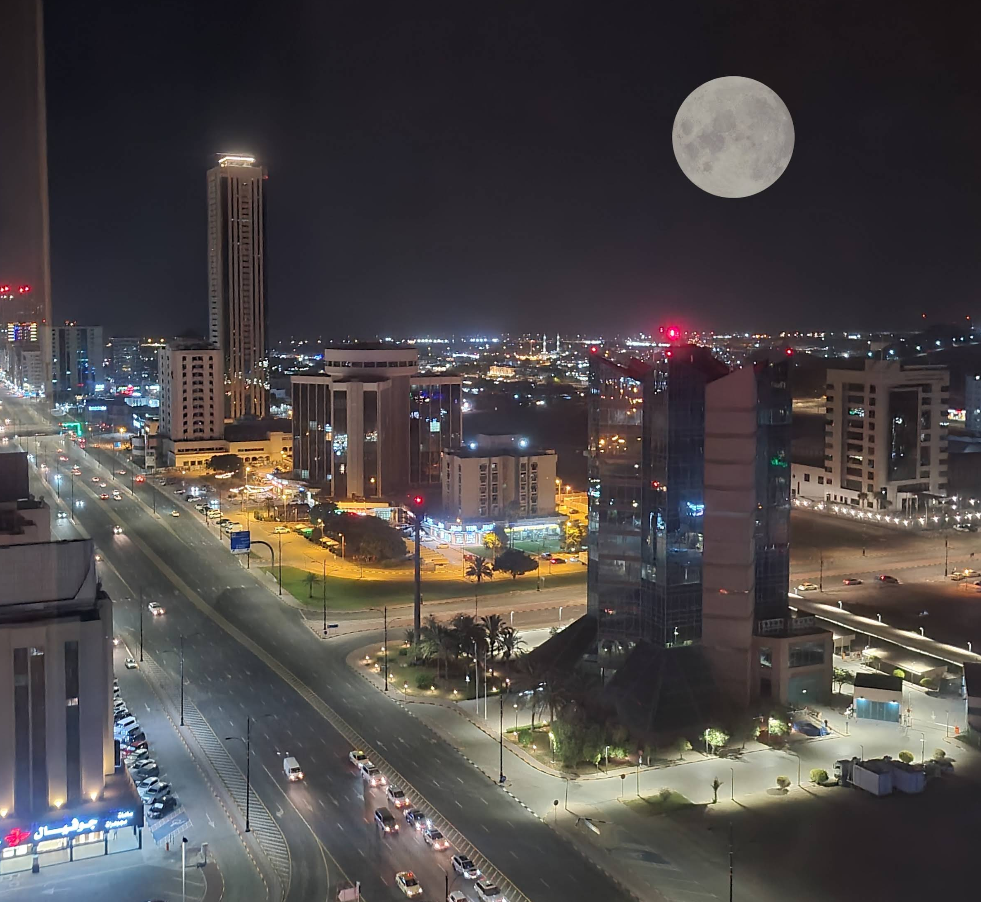
Owaida Tower occupies a stretch of Airport Road where density meets convenience. The corridor hums with activity—commuters moving between districts, delivery vehicles making runs, and residents accessing services without extended travel. This is not a quiet suburban enclave. The energy here is distinctly urban, shaped by the road's role as a central artery connecting Abu Dhabi Island to outlying areas and the airport itself.
Street-level retail operates late into the evening. Grocery stores stay open past midnight. The sidewalks see consistent foot traffic, particularly near commercial storefronts and bus stops. Lighting is functional and widespread, a practical consideration for those returning home after evening hours. Security presence is visible, both from building management and municipal patrols, reflecting the mixed-use nature of the district.
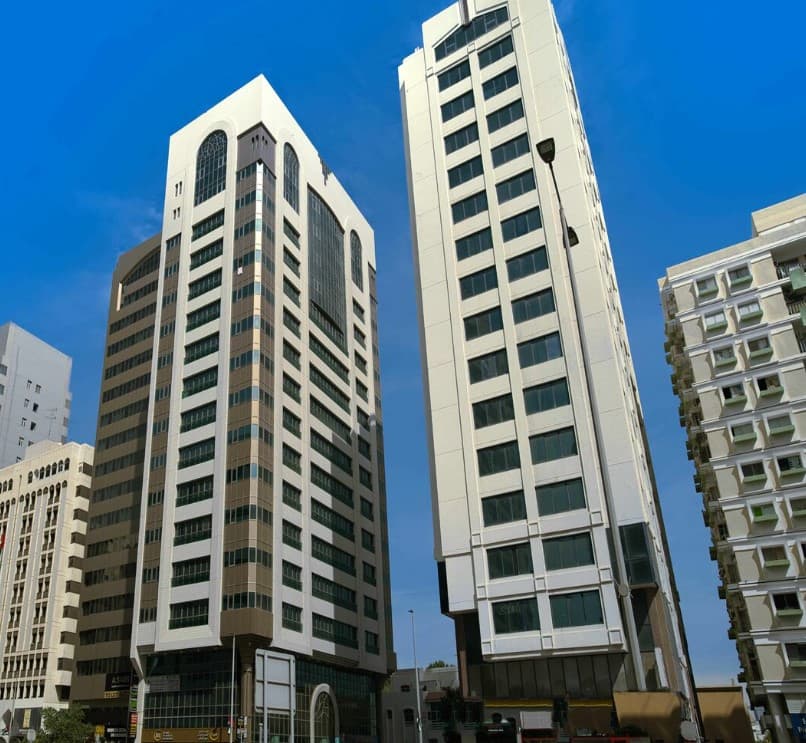
The tower's design prioritizes space over flash. Four-bedroom units dominate the floor plans, a configuration that attracts medium-to-large families and occasionally professionals sharing accommodations. Balconies face varying directions—some overlook the road and its constant movement, others frame views toward low-rise commercial blocks and distant construction cranes marking the city's expansion zones.
The Community Around You
The demographic here skews toward established families and working professionals with roots in Abu Dhabi's public sector, healthcare, and education industries. School drop-off times see a noticeable uptick in vehicle movement around the tower's perimeter. Weekend mornings bring a slower pace, with residents making grocery runs or walking to nearby cafes.
Neighboring buildings mirror Owaida Tower's residential function. The result is a vertical community where interactions happen in shared lobbies, parking areas, and at nearby service counters. The social fabric is practical rather than insular—people know their immediate neighbors, exchange greetings, but maintain independence. There are no community events or resident associations organizing gatherings. Social connection emerges organically through repeated daily encounters.
The commercial mix at ground level includes tailoring shops frequented by those preparing for formal occasions, currency exchanges serving expatriates sending remittances, and small electronics repair kiosks that handle everything from phone screens to laptop batteries. These businesses reflect the area's working-class pragmatism and its role as a functional rather than aspirational residential zone.
Daily Life & Essentials
Within a five-minute walk, residents access three supermarket options. The largest operates 24/7, stocking essentials alongside imported goods that cater to the area's diverse population—South Asian spices, Middle Eastern staples, and Filipino pantry items occupy dedicated aisles. Pricing sits below what you'd find in island neighborhoods, a reflection of the area's demographic and competitive retail landscape.
Banking infrastructure is thorough. Two branches of national banks sit within 400 meters, both equipped with after-hours ATMs and business banking facilities. Exchange houses process transactions with minimal wait times, a necessity for the salaried workforce that forms the area's backbone. Pharmacies cluster near medical clinics, with at least four operating within easy walking distance, two offering delivery for chronic medication management.
Service businesses operate with extended hours. Laundries offer same-day turnaround. Key-cutting shops sit adjacent to hardware stores stocked for minor home repairs. Mobile phone shops provide immediate SIM card activation and device unlocking services. The density of these offerings means errands consolidate efficiently—residents handle multiple tasks in a single outing rather than scheduling separate trips across the city.
Parking availability varies. The tower provides designated resident spots, but overflow during evening hours occasionally pushes vehicles to nearby public lots. Street parking exists but fills quickly after 7 PM when residents return from work. Those relying on rideshare services find pickup times averaging three to four minutes, faster than more residential neighborhoods due to constant driver circulation along Airport Road.
Schools & Healthcare Nearby
Educational options within a 10-minute drive cover British, American, and Ministry of Education curricula. Al Dhafra Private School operates a British program serving KG through Year 13, with annual fees ranging from AED 18,000 to AED 32,000 depending on grade level. The student body reflects the area's expatriate concentration, with strong representation from South Asian and Arab families. The school's proximity—a 7-minute drive during off-peak hours—makes morning routines manageable without requiring pre-dawn departures.
Bright Kids Nursery, located 2.3 kilometers from the tower, handles early childhood education for ages 2 to 4. The facility operates year-round, accommodating parents in continuous employment. American Community School Abu Dhabi sits further out but remains accessible for families prioritizing U.S.-aligned curriculum and extracurricular depth, though the commute extends to 20 minutes during peak traffic windows.
Healthcare infrastructure concentrates around the adjacent Al Nahyan area. Abu Dhabi Central Family Clinic provides general practitioner services, pediatric consultations, and vaccinations without appointment requirements during morning hours. Wait times average 15 to 30 minutes for walk-ins. The clinic accepts most insurance plans common among public sector employees and handles lab work on-site, eliminating separate trips for blood tests or diagnostic screenings.
For specialist care, Burjeel Hospital operates 4.8 kilometers away. The facility offers cardiology, orthopedics, and women's health departments with evening availability. Emergency services run continuously, and the hospital's location on Muroor Road provides alternative route access if Airport Road congestion becomes problematic. Dental clinics operate independently, with three practices within a 10-minute drive offering both NHS-equivalent and private cosmetic services.
Getting Around the City
Airport Road's designation as a primary thoroughfare means connectivity happens by default. The road provides direct links to Abu Dhabi International Airport in 15 minutes outside rush periods, expanding to 30 minutes when traffic peaks between 7:30 and 9:00 AM. Southbound routes toward Al Ain and Dubai open via Sheikh Mohammed bin Zayed Road, accessible within five minutes from the tower's entrance.
Public bus routes serve the corridor with frequency. Route 32 stops 150 meters from the building, connecting to Al Wahda Mall and the Central Bus Station on a 12-minute cycle during daytime hours. Route 54 runs parallel, extending to Khalifa City and covering stops near Mushrif Mall. Off-peak intervals stretch to 20 minutes, but coverage remains consistent from 5:30 AM until 11:00 PM. Monthly bus passes cost AED 80, a viable option for single commuters avoiding vehicle ownership costs.
Taxi availability is immediate. The tower's position ensures passing cabs throughout the day. Ride-hailing apps show consistent 2- to 4-minute pickup times, with surge pricing rare except during major events or adverse weather. Trip costs to Corniche destinations average AED 25 to AED 30, while runs to Yas Island sit around AED 45.
For private vehicle owners, the tower's location simplifies navigation. Most destinations within Abu Dhabi sit within a 20-minute drive, barring peak congestion. Parking at shopping destinations rarely requires circling—malls like Al Wahda provide multi-level facilities with available capacity except during Eid holidays and major sale events.
Lifestyle & Weekend Spots
Mushrif Mall operates 3.2 kilometers from the tower, reachable in under 10 minutes. The mall hosts Lulu Hypermarket for bulk grocery runs, a Vox Cinemas multiplex showing Arabic and English-language films, and a mid-range dining court with seating for roughly 400. Family entertainment centers include Magic Planet, appealing to children under 12. The mall's demographic skews practical—shoppers prioritize errands over browsing, and weekend crowds build but rarely overwhelm the space.
Al Wahda Mall provides a larger footprint and sits approximately 15 minutes away depending on route selection. The mall's anchor stores include Carrefour, HomeBox, and Centrepoint. Dining options expand here, with Texas Roadhouse, Carluccio's, and Zaatar W Zeit offering sit-down alternatives to food court speed. The mall's ice rink operates year-round, drawing weekend visitors seeking climate-controlled recreation.
Dining within walking distance of the tower leans toward quick-service and ethnic cuisine. Al Ibrahimi Restaurant serves Yemeni mandi and grilled meats with communal seating and late closing times—often past 1:00 AM on weekends. Saravana Bhavan offers South Indian vegetarian dishes at moderate price points, with most meals landing between AED 15 and AED 30 per person. Filipino restaurants like Goldilocks provide comfort food familiar to the area's large Filipino population, along with bakery items popular for office gatherings.
Green space requires a short drive. Khalifa Park sits 5 kilometers southeast, offering landscaped walking paths, playgrounds with shade structures, and a small aquarium. The park sees heavy weekend use, particularly Friday mornings when families arrive for picnics and children's outdoor time. Entry fees remain nominal—AED 5 for adults, AED 2 for children—and parking lots accommodate demand without overflow issues.
Fitness facilities cluster along Airport Road's commercial strips. Gold's Gym operates nearby with standard equipment, group classes, and extended hours from 5:00 AM to midnight. Monthly memberships run AED 250 to AED 300. Smaller studios offering yoga, Pilates, and CrossFit-style training exist within a 10-minute drive, often tucked into second-floor spaces above retail shops. Home-based personal training has gained traction here, with trainers advertising through community groups and offering sessions in building gyms or outdoor spaces.
What's Coming Next
Airport Road continues to absorb development pressure as Abu Dhabi expands outward. Two residential towers broke ground within one kilometer of Owaida Tower in the past 18 months, each adding roughly 200 units to the area's housing stock. These projects target similar demographics—families seeking space and connectivity—and their completion will increase local density while potentially adding ground-floor retail diversity.
Road infrastructure upgrades are underway. The Department of Municipalities and Transport announced widening projects aimed at improving traffic flow during peak hours, with completion timelines extending into 2026. These improvements should reduce bottlenecks near major intersections, though construction phases may temporarily worsen congestion before benefits materialize.
Commercial developments are emerging along secondary roads branching off Airport Road. A mixed-use project incorporating office space, retail, and serviced apartments received municipal approval in late 2023, with construction anticipated to span three years. Upon completion, the development will likely draw additional businesses and services to the immediate area, potentially reducing the need for residents to travel to established commercial hubs.
The broader vision for the Airport Road corridor emphasizes transit connectivity. Long-term plans discussed by Abu Dhabi's urban planning authorities include enhanced bus rapid transit systems and potential future metro extensions, though concrete implementation timelines remain unannounced. These upgrades would further solidify the area's role as a transit-oriented residential zone.
Common Questions
What's the typical resident profile here?
The building attracts families with children enrolled in nearby schools, public sector employees valuing commute efficiency, and healthcare workers employed at hospitals along Muroor Road and Al Nahyan. Single professionals occasionally rent shared accommodations, though family units dominate occupancy.
How does traffic impact daily routines?
Morning and evening peaks create slowdowns, particularly between 7:30 to 9:00 AM and 5:00 to 7:00 PM. Residents adjust by shifting commute times slightly earlier or later when possible. Those working outside these windows face minimal delays. Weekend traffic remains manageable except during major events at Yas Island or Abu Dhabi National Exhibition Centre.
What do apartments typically rent for?
Four-bedroom units range from AED 75,000 to AED 95,000 annually, influenced by floor level, condition, and included parking spots. Three-bedroom apartments, less common in this tower, start around AED 65,000. Prices reflect the area's functional appeal rather than prestige positioning, sitting below island neighborhoods but above more peripheral zones.
Is building maintenance responsive?
Management maintains common areas and addresses reported issues within standard timeframes—typically 24 to 48 hours for non-urgent items like lighting or minor plumbing. Elevator maintenance occurs regularly, though high usage means occasional temporary outages. Residents report satisfaction with cleaning schedules and waste disposal efficiency.
How family-friendly is the immediate environment?
The area functions well for families prioritizing school access and daily convenience over recreational amenities. Parks require short drives, but essential services sit within walking distance. Security levels feel adequate, with well-lit streets and visible building security presence providing reassurance during evening hours.