

Explore Guide in Al Fardan Building
What Airport Road Living Delivers: Connectivity Over Character
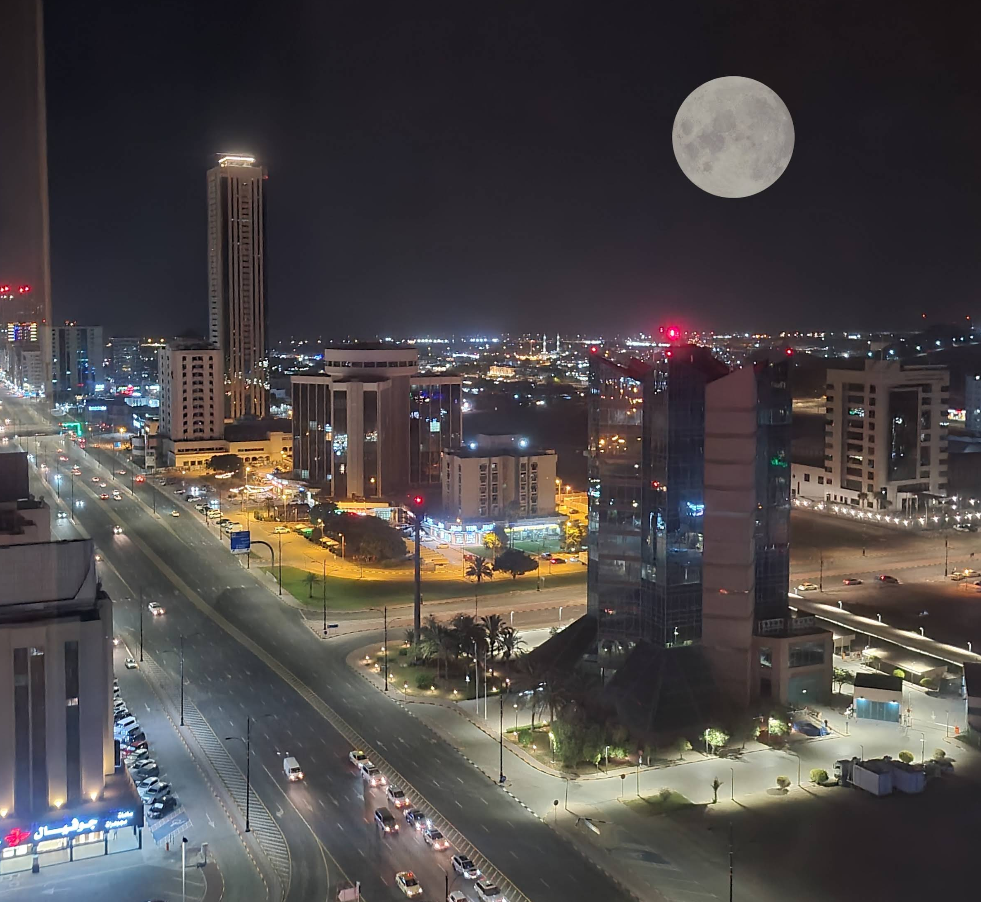
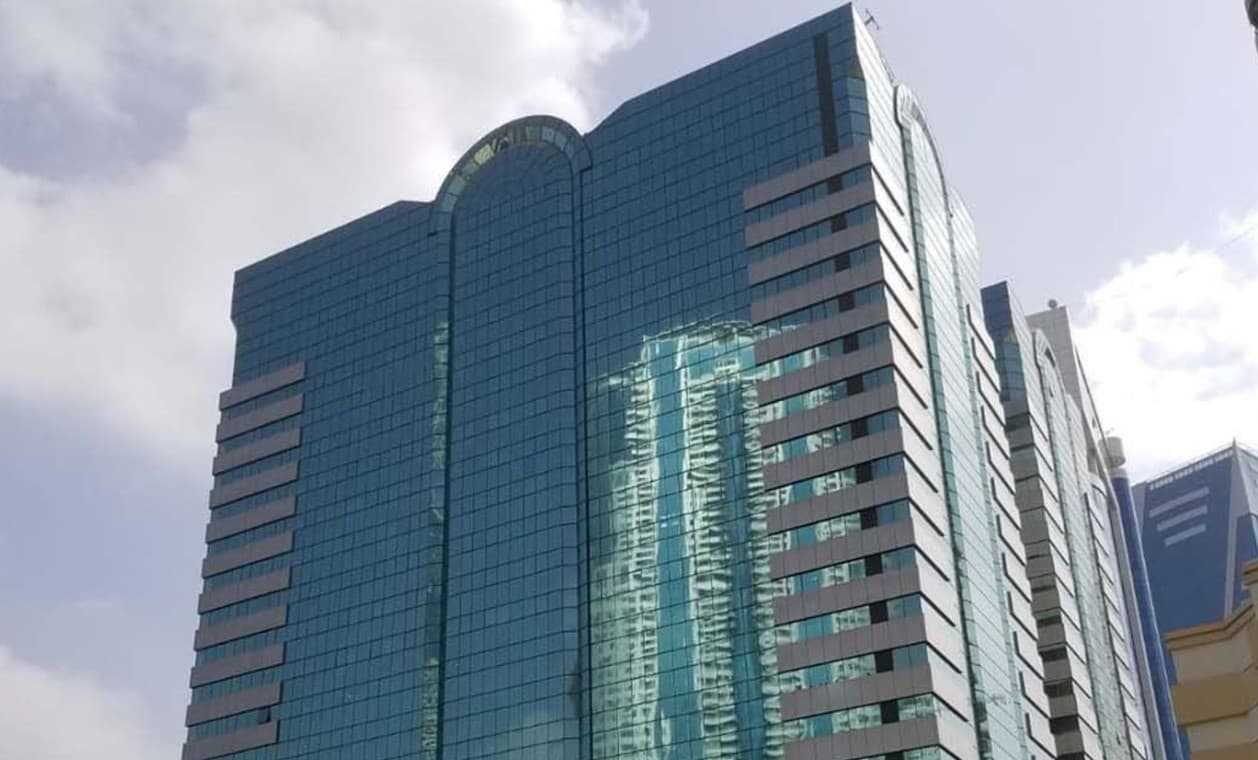
Al Fardan Building sits on Airport Road, a high-traffic corridor that prioritizes function over atmosphere. This is urban Abu Dhabi stripped of leisure flair—no waterfront strolls, no landscaped promenades. What you gain is immediate access to the airport, central business districts, and arterial highways cutting straight through the capital's economic core. Airport Road exists for people whose workday ends at 8 PM and who value a 15-minute commute over evening neighborhood walks.
The residential stock here leans transactional. Towers rise shoulder-to-shoulder, most built during Abu Dhabi's mid-2000s expansion push. Expect concrete density, not community courtyards. Professionals rotating through corporate contracts, small families prioritizing school proximity, and budget-conscious couples fill these units. The area serves its purpose efficiently but demands realistic expectations about street-level ambiance.
Peak-hour traffic turns Airport Road into a bottleneck. Morning and evening rush periods routinely add 20–30 minutes to short trips, a factor that directly impacts daily scheduling for anyone working outside the immediate corridor. Public transit exists but remains fragmented compared to metro-linked neighborhoods. This is a car-dependent zone where ride-hailing apps become a recurring monthly expense.
Al Fardan Building's Resident Profile: Who Actually Lives Here
The tower's tenant mix reflects Airport Road's functional positioning. Mid-level corporate employees—banking analysts, airline staff, logistics coordinators—dominate occupancy. Lease terms trend short, typically 12 months, with noticeable churn as contracts conclude. Families stay longer when school catchments align, but this isn't a multi-generational neighborhood where residents put down decade-long roots.
Neighboring towers replicate this pattern. The surrounding residential cluster operates as transient housing stock for Abu Dhabi's professional workforce rather than a settled community. Building lobbies see steady foot traffic but limited social interaction. Shared amenities, where present, serve utilitarian purposes—parking, package collection, basic security—rather than fostering neighbor connections.
Investment buyers target this demographic intentionally. Corporate tenants pay rent on time and accept modest interiors as long as location logic holds. Vacancy risk concentrates around economic downturns when companies pull expatriate staff or relocate regional offices. The rental model here depends on sustained corporate demand feeding the capital's mid-tier employment market.

Supermarkets, Pharmacies, and Daily Errands: The Functional Radius
Grocery runs and pharmacy stops fall within a 5-minute drive. Supermarkets operate on extended hours, several staying open past midnight to accommodate shift workers and late-night professionals. This after-hours availability matters more than selection breadth; you'll find standard inventory but limited specialty imports compared to Marina Mall or Khalidiyah outlets.
Convenience stores cluster at tower bases and along Airport Road's service lanes. Laundry services, tailoring shops, and mobile repair kiosks fill retail gaps, catering to the practical needs of a working population with limited leisure time. These aren't destination shops—you visit when necessity dictates, not for browsing.
Pharmacy density is adequate but uneven. Chain outlets appear in shopping centers, while neighborhood streets rely on smaller operations with inconsistent stock. Prescription refills rarely pose issues; specialized medications may require trips to larger hospital pharmacies off the immediate strip.
Mushrif Mall and Fotouh Al Khair: Retail Without Destination Appeal
Mushrif Mall anchors shopping within a 10-minute radius. The hypermarket handles bulk grocery needs, and the retail mix covers basic wardrobe updates—affordable fashion chains, sporting goods, electronics. This isn't a weekend destination mall. Foot traffic peaks Thursday evenings and Friday afternoons when families default to the closest air-conditioned option.
Fotouh Al Khair Mall supplements with mid-tier fashion brands and dining chains. Neither mall competes with Yas Mall or The Galleria for experience-driven retail. They exist to solve immediate consumer needs—school uniforms, phone chargers, casual dining—rather than inspire repeat visits. Expect functional layouts, limited seating areas, and tenant turnover as brands test the market.
For serious shopping or weekend outings, residents drive to Yas Island or downtown Abu Dhabi. The local retail infrastructure supports daily life but doesn't anchor lifestyle routines. This gap directly affects tenant satisfaction among younger renters who weigh nightlife and dining options heavily in location decisions.
Restaurants and Cafés: Diverse Cuisines, Limited Culinary Ambition
Dining options pull from Abu Dhabi's broader expatriate makeup. Lebanese mezze spots, Indian curry houses, Italian trattorias, and Chinese noodle counters line nearby streets. These aren't chef-driven concepts; they're reliable, moderately priced kitchens serving familiar dishes to a clientele seeking comfort over experimentation. Quality varies, but the density ensures options when takeout fatigue sets in.
Fast food chains dominate quick meal scenarios. Global franchises occupy mall food courts and roadside plots, capturing the lunch crowd and late-night workers. Local cafés exist but lack the specialty coffee culture found in Saadiyat or Al Maryah Island. Expect standard espresso drinks and basic pastries rather than third-wave brewing or artisan bakeries.
Fine dining requires leaving the area entirely. Airport Road doesn't attract destination restaurants because foot traffic patterns favor speed over experience. Professionals grab meals between errands; families default to chains with kids' menus. This functional dining landscape supports the resident base but limits culinary discovery.
Education: International Schools Within Catchment Range
School proximity anchors family rental decisions here. Three institutions serve the immediate area:
- Giggles Nursery: Early years care for working parents needing extended hours and flexible drop-off schedules.
- American International School of Abu Dhabi: Follows a U.S. curriculum through high school, attracting expatriate families on corporate packages who prioritize American-accredited diplomas.
- Emirates Private School: Offers bilingual instruction blending international standards with Arabic language requirements, appealing to families balancing cultural continuity with global education frameworks.
Morning traffic congestion around school gates directly impacts commute times. Families living in Al Fardan Building cut 20–30 minutes from daily routines compared to residents driving in from outlying areas. This time saving translates into higher willingness to pay rent premiums, stabilizing landlord returns during competitive leasing periods.
Older students often require transportation to campuses outside the immediate zone, adding logistical complexity for families without drivers. School bus networks service major towers, but routes and schedules vary by academic year, creating planning friction for parents rotating through annual leases.
Healthcare Access: Hospitals and Clinics Within Emergency Range
Medical infrastructure clusters within a 10-minute drive, a critical factor for families and older residents evaluating location risk. Two hospitals anchor healthcare access:
- Mediclinic Airport Road Hospital: Multi-specialty facility with emergency services, inpatient beds, and surgical suites. Corporate insurance networks list this as a preferred provider, simplifying claims processing for expatriate tenants.
- Universal Hospital: Offers comparable services with shorter wait times for outpatient consultations, though specialist availability varies by department.
Private clinics scatter across neighboring towers and malls, covering general practice, dental care, and physiotherapy. These handle routine needs efficiently but funnel complex cases to the larger hospitals. Specialist appointments—cardiology, orthopedics, dermatology—often require booking 1–2 weeks ahead, typical for Abu Dhabi's private healthcare model.
Pharmacy proximity to hospitals ensures medication availability after consultations. However, insurance pre-authorization delays can complicate prescription fulfillment, a common frustration across the emirate's healthcare system. Residents with chronic conditions should verify their insurance network's hospital partnerships before signing leases.
Public Transit and Traffic Realities: Car Dependency Dominates
Airport Road runs parallel to major bus routes connecting downtown Abu Dhabi, Mussafah, and outlying residential zones. Bus frequency averages 15–20 minutes during peak periods but drops to 30–40 minutes off-peak. Routes serve blue-collar workers and students more than professionals, limiting appeal for corporate tenants who default to private vehicles.
Taxis and ride-hailing services circulate constantly, a legacy of the road's hotel and airport proximity. Surge pricing hits during morning and evening peaks, adding 25–40% to base fares. For residents commuting daily without personal cars, these costs compound quickly, often reaching AED 1,200–1,800 monthly for round-trip work travel alone.
Traffic congestion spikes between 7–9 AM and 5–7 PM. Northbound lanes toward the airport and southbound routes into the city center both experience severe slowdowns. Alternative routes exist but require local knowledge; first-time residents frequently lose 45 minutes daily until they learn optimal departure windows. This congestion directly impacts tenant satisfaction and renewal rates among time-sensitive professionals.
Hotels and Short-Stay Accommodations: Corporate Transit Infrastructure
The corridor's hotel density reflects its business traveler focus. Three properties serve as landmarks:
- Millennium Hotel: Mid-range business hotel with conference facilities, attracting regional sales teams and short-term contractors.
- Aloft Hotel: Targets younger corporate travelers with compact rooms and co-working spaces, positioning itself as a lifestyle brand within a functional market.
- Novotel: Family-friendly option with larger rooms and modest recreational facilities, capturing the weekend family market alongside weekday business guests.
Furnished hotel apartments supplement these options, offering monthly rates for extended corporate assignments. These properties absorb demand from companies rotating staff through project-based contracts, creating indirect competition for residential towers when corporate housing budgets favor flexibility over 12-month leases.
Investors view this hotel layer as market validation. Sustained occupancy across multiple properties signals consistent business travel demand, which correlates with stable corporate tenant flows into residential stock. Conversely, hotel closures or extended low-occupancy periods foreshadow weakening rental markets.
Parks and Outdoor Space: Drive-to Recreation, Not Walkable Green Zones
Airport Road's urban density leaves minimal ground-level green space. Residents seeking outdoor activity drive to established parks rather than stepping outside their building. Umm Al Emarat Park and Corniche Park sit 15–20 minutes away in light traffic, offering playgrounds, walking paths, and shaded seating. Both require advance planning rather than spontaneous visits, a limitation that particularly affects families with young children who need daily outdoor outlets.
The lack of immediate pedestrian-friendly zones means outdoor exercise defaults to gym-based workouts or driving to dedicated facilities. Morning joggers and evening walkers face narrow sidewalks interrupted by construction zones and heavy vehicle traffic. This infrastructure gap weakens Airport Road's appeal among health-conscious renters who factor walkability into location decisions.
Weekend outdoor routines typically involve 30-minute drives to coastal areas or Yas Island's recreational zones. This car dependency increases household transportation costs and limits lifestyle flexibility for single-car families juggling weekend errands and children's activities.
Fitness Centers and Wellness Facilities: Tower Gyms and Mall Clubs
Fitness infrastructure splits between in-building facilities and standalone clubs. Newer residential towers include compact gyms with cardio equipment and free weights, sufficient for maintenance routines but inadequate for serious training. These amenities appeal to time-pressed professionals squeezing in 30-minute workouts before commutes.
Larger fitness clubs operate within Mushrif Mall and along Airport Road's commercial stretches. Membership pricing ranges from AED 150–300 monthly depending on facility quality and class offerings. Group fitness schedules cater to evening crowds, with peak congestion between 6–8 PM mirroring post-work demand.
Sports clubs near the airport offer swimming pools, tennis courts, and organized leagues. These facilities attract families seeking structured weekend activities but require separate memberships beyond residential gym access. The fragmented fitness landscape means residents often juggle multiple memberships to cover diverse training needs.
Salons and Beauty Services: Mall-Based Convenience, Limited Luxury
Beauty services concentrate in mall retail zones and tower ground floors. Hair salons, nail bars, and threading studios handle routine grooming needs with walk-in availability most weekdays. Pricing falls mid-range—AED 80–150 for women's cuts, AED 40–60 for men's—reflecting the area's working-class professional demographic.
Spa facilities offering massages, facials, and body treatments operate within hotels and standalone wellness centers. Quality varies significantly; hotel spas command premium pricing (AED 300–500 per session) while neighborhood operations target budget-conscious regulars with package deals. The lack of high-end beauty destinations means residents seeking luxury treatments drive to Saadiyat or Corniche districts.
Men's barbershops proliferate, many operating extended hours to capture post-work and late-evening traffic. These no-frills operations prioritize speed and reliability, completing cuts in 20 minutes with minimal consultation. The density of these services reflects the transient male workforce dominating the area's rental market.
Ongoing Infrastructure Projects: Commercial Expansion and Road Widening
Airport Road continues absorbing new commercial and residential projects as Abu Dhabi pushes outward development. Current construction activity includes mixed-use towers adding retail ground floors and apartment blocks targeting mid-income renters. These projects increase unit supply, which historically pressures rental rates downward when delivery clusters within 6–12 month windows.
Road infrastructure upgrades focus on widening intersections and adding service lanes to alleviate chronic congestion. These projects disrupt traffic flow during construction phases, often extending commute times by 15–20 minutes for months at a stretch. Residents should factor ongoing construction noise and access interruptions when evaluating long-term livability.
Municipal services expansion—upgraded sewage systems, expanded electrical grids—supports higher-density development but rarely translates into immediate lifestyle improvements for current residents. These infrastructure investments play out over 5–10 year horizons, benefiting future tenant cohorts more than today's occupants. Investors banking on appreciation should assess project timelines realistically against holding period expectations.
Investment Fundamentals: Rental Yields and Tenant Churn Analysis
Property values along Airport Road reflect functional positioning rather than prestige premiums. Studio and one-bedroom units generate rental yields between 6.5–8.5% annually, competitive within Abu Dhabi's investment landscape. Two-bedroom apartments targeting small families yield slightly lower at 5.5–7% due to higher purchase-price-per-square-meter ratios and narrower tenant pools.
Tenant turnover averages 12–18 months, higher than family-oriented districts like Al Reef or Al Raha Beach where three-year leases dominate. This churn creates recurring vacancy risk and re-leasing costs—agent commissions, minor refurbishments, marketing periods—that compress net returns. Investors must budget 4–6 weeks of vacancy annually and 5% of gross rent toward tenant acquisition costs.
Capital appreciation potential ties directly to Abu Dhabi's broader economic cycle. During oil price upswings and corporate expansion phases, Airport Road properties gain 2–4% annually as employment growth drives rental demand. Downturns reverse this quickly; 2015–2017 saw values drop 8–12% as companies cut expatriate headcount. This volatility suits short-to-medium-term investors comfortable with active portfolio management but challenges buy-and-hold strategies requiring stable appreciation curves.
Common Questions: Parking, Traffic, and Investment Viability
Is the area family-friendly? Small families with children under 10 find the school proximity and hospital access practical. Older children and teenagers miss the recreational infrastructure and social spaces available in waterfront communities. Family suitability depends on priorities: convenience over lifestyle experience.
Is traffic an issue? Peak-hour congestion routinely adds 20–30 minutes to commutes. Public transit exists but requires schedule flexibility and tolerance for indirect routing. Car ownership becomes essential, turning transportation into a significant household expense.
Is parking available? Most towers allocate one space per unit, with additional spots available for AED 200–400 monthly. Visitor parking fills quickly evenings and weekends, creating friction for residents hosting guests. Lease agreements should specify parking entitlements explicitly to avoid disputes.
Is this a good area for investment? Rental yields remain competitive for Abu Dhabi, but tenant churn and vacancy risk demand active management. Appreciation potential follows the capital's economic cycles closely, requiring market timing discipline. This suits investors targeting cash flow over passive appreciation, particularly those comfortable with transient tenant profiles and hands-on property oversight.