Commercial
Developers


Aqary Investment & Development Social Profiles:
Aqary Investment & Development © 2026. All rights reserved.
Terms & Conditions
Powered By

Commercial
Developers
Aqary Investment & Development Social Profiles:
Aqary Investment & Development © 2026. All rights reserved.
Powered By



The United Arab Emirates is one of the leading countries in the region in terms of urban development, infrastructure quality, and the diversity of residential and investment communities. The country consists of seven emirates: Abu Dhabi, Dubai, Sharjah, Ajman, ...
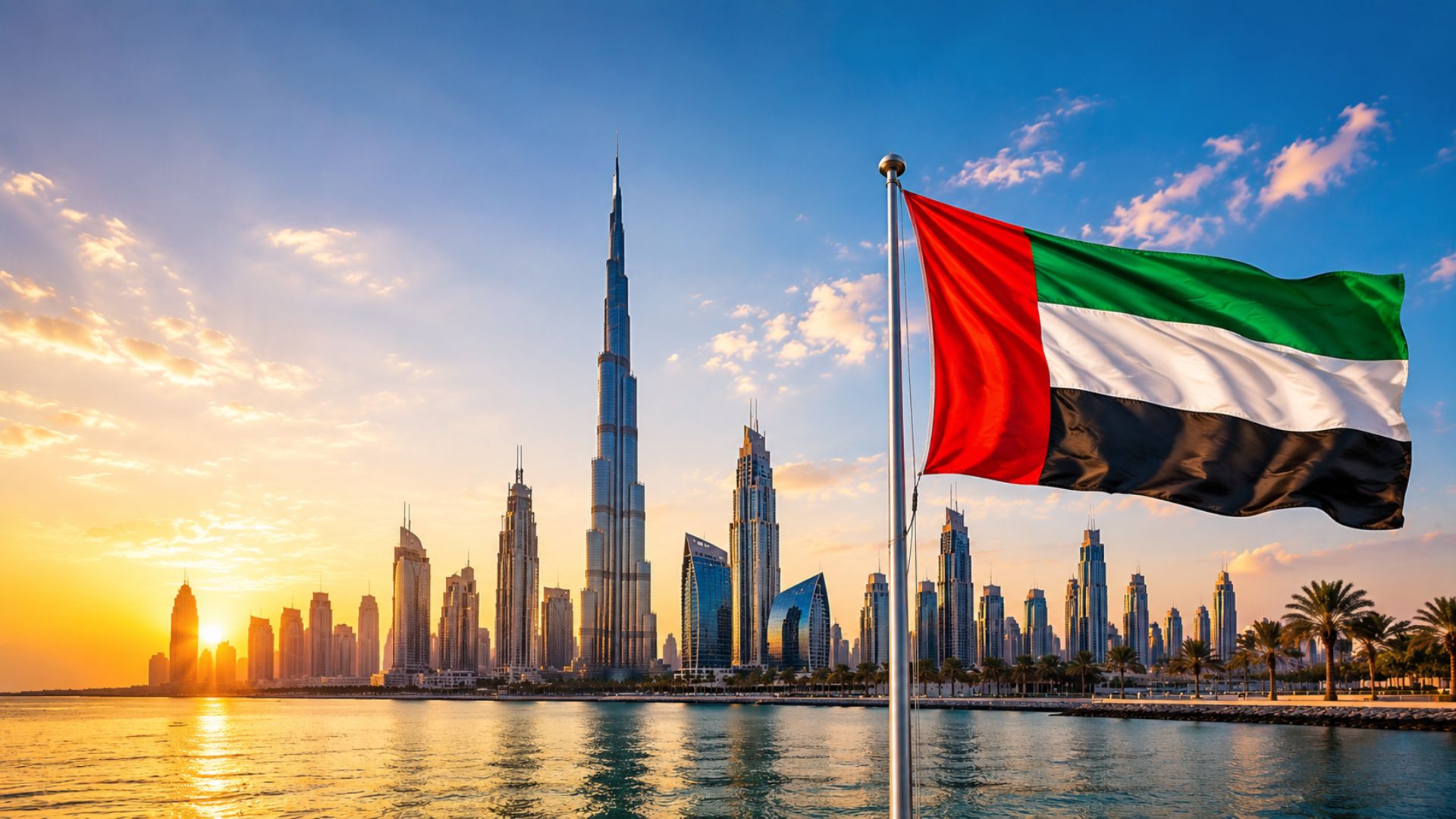
The United Arab Emirates is one of the leading countries in the region in terms of urban development, infrastructure quality, and the diversity of residential and investment communities. The country consists of seven emirates: Abu Dhabi, Dubai, Sharjah, Ajman, Umm Al Quwain, Ras Al Khaimah, & Fujairah, with each emirate offering its own unique residential, economic, and tourism characteristics.
The story of the UAE’s modern development is closely connected to the vision of its founding fathers, led by the late Sheikh Zayed bin Sultan Al Nahyan, may his soul rest in peace, the Founding Father and first President of the United Arab Emirates. Sheikh Zayed had a clear vision of building a nation based on unity, development, and improving people’s quality of life. Since the establishment of the Union on 2 December 1971, the country has undergone rapid development, including the construction of cities, roads and infrastructure, schools, hospitals, and the facilities required for modern living.
This vision contributed to transforming the UAE into a modern country that combines economic and urban development with the preservation of its local identity and culture. Today, the country offers a wide range of cities and residential communities designed to meet different needs, from quiet family-oriented communities to vibrant areas and luxury mixed-use developments.
The real estate sector is one of the important sectors of the UAE economy, offering a diverse environment for both residential living and investment, supported by advanced infrastructure, extensive road networks, transportation systems, and integrated services.
The Area Guide aims to provide a clear and comprehensive overview of each area, allowing readers to understand its lifestyle, residential communities, available services, schools, healthcare facilities, hotels, leisure activities, as well as future developments and upcoming projects.
The guide therefore goes beyond presenting an area from a purely real estate perspective. Instead, it provides a comprehensive view that helps those looking to live, purchase a property, or invest build a better understanding of the area before making a decision.
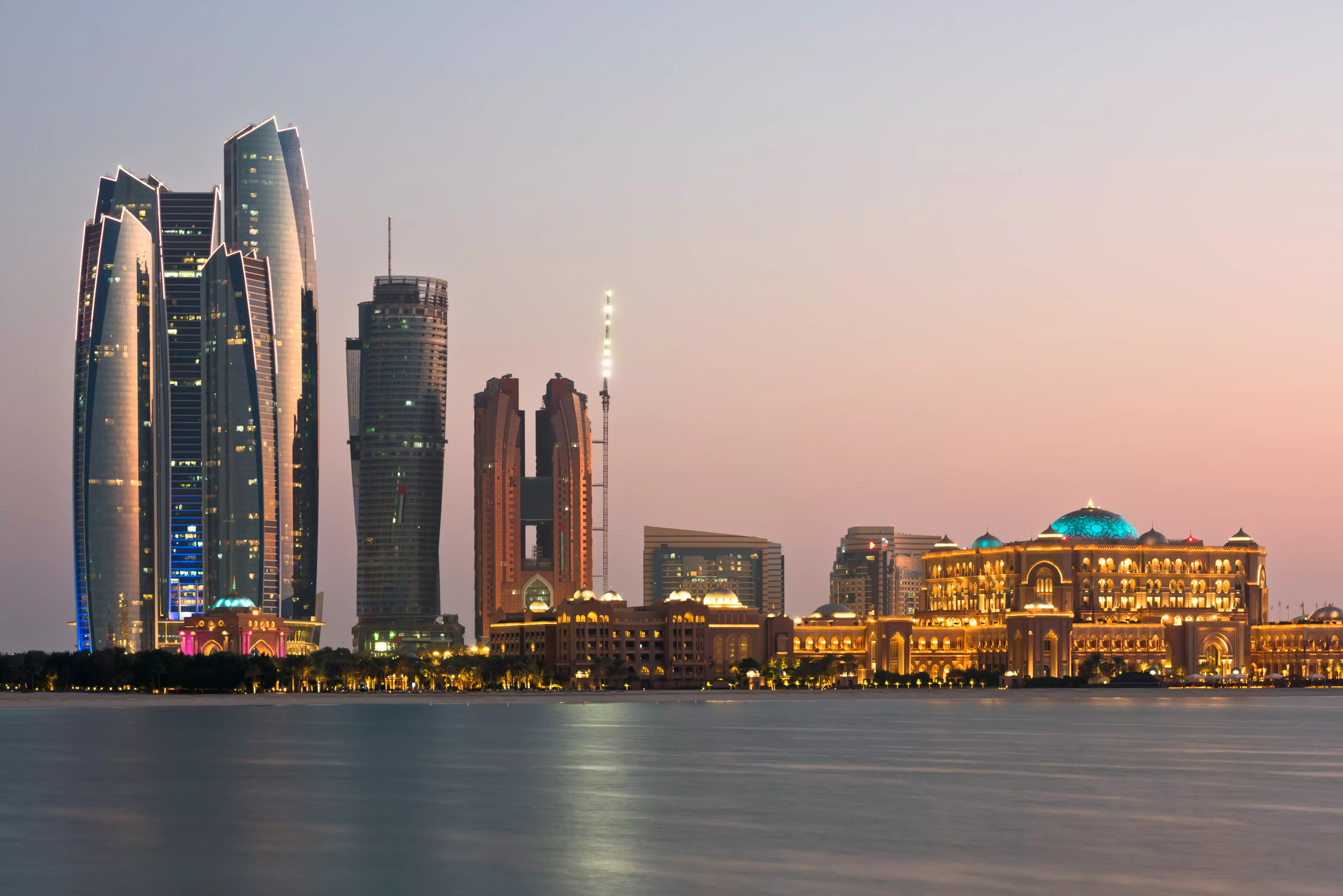
Abu Dhabi offers a different risk-return profile. Capital appreciation runs at around 6–7% annually in the established areas. Occupancy across major developments in Abu Dhabi exceeded 95% by the end of Q1 2025, which signals sustained demand.
Saadiyat Island, Al Reem Island, and Yas Island are the three areas that generate the most consistent investor interest, each with a different character. Abu Dhabi operates within a well-regulated real estate framework.
Dubai remains the primary destination for UAE property for sale from an investment perspective. Rental yields are around 6.66%, among the highest for a mature, established city.
The luxury areas have seen strong price growth, with villa prices rising by over 17% in 2024 alone.
Dubai South, linked by Al Maktoum International Airport and Expo City, is set up to see growth by 2030 because of its infrastructure pipeline. And downtown Dubai and Dubai Marina continue to attract premium buyers. For renters, communities like JVC, Business Bay, and Silicon Oasis tend to show the strongest demand.
Sharjah is gaining recognition as a promising investment destination, particularly for those who want lower entry points with reasonable return potential. Areas like Al Majaz, Al Nahda, and Muwailih are seeing growth in both residential and commercial property.
Rental yields are lower than in Dubai, but entry costs are meaningfully less, which can produce comparable returns on invested capital depending on the specific unit and location.
Ras Al Khaimah reported the lowest gross yields in the surveyed markets, around 3.29%, but capital appreciation potential is increasingly discussed, particularly around Al Marjan Island, which is the site of the UAE's first integrated resort and casino development. That project has the potential to reshape the demand profile for the entire emirate, though it is still speculative to model returns against it at this stage.
Ajman is the most affordable market in the UAE and attracts investors looking for the lowest entry point possible. Ajman Corniche and Al Nuaimiya are the main residential areas. Yields can be attractive in proportional terms, but the market is thinner, and liquidity is lower than in the larger emirates, which matters if you are thinking about an exit strategy at some point.
Fujairah sits on the east coast facing the Gulf of Oman, which immediately sets it apart from every other emirate. The geography is different, greener in winter, and cooler in summer than the West Coast, with the Hajar Mountains rising behind the coastal strip.
Umm Al Quwain is the least developed of the seven emirates and has a quiet, low-key feel. Siniya Island offers new development with natural surroundings and more privacy. It is not ideal for people working in Dubai, but it can be interesting for early investment or a second home.
The UAE offers a wide variety of residential communities, with options suitable for different lifestyles, budgets, and requirements.
These communities include modern residential towers, family-oriented communities, villas, townhouses, luxury developments, and mixed-use projects that combine residential, commercial, and leisure components.
Each area guide explores the nature of the residential communities available, focusing on:
This section also helps readers understand the differences between residential communities within the same area and whether the area is more suitable for families, individuals, or investors.
Education is one of the key factors influencing the choice of a residential area, particularly for families looking for a community that provides an integrated living environment close to educational institutions.
The UAE offers a wide range of schools, universities, and educational institutions with diverse curricula and educational options. The available choices vary from one area to another.
The Area Guide highlights the main educational institutions located within or near each area, including:
The proximity of schools to the home is an important factor in daily life, as it can help reduce commuting time and provide a more convenient experience for families.
The UAE provides a well-developed healthcare system that includes hospitals, clinics, medical centers, pharmacies, and specialized healthcare facilities.
This section of the Area Guide aims to explain how easily residents can access healthcare services within the area and surrounding communities.
This includes:
Easy access to hospitals and healthcare facilities is an important consideration when evaluating an area’s suitability for families, particularly when choosing a home for long-term living.
Daily life requires access to a wide range of services and facilities. Many areas across the UAE offer essential services within or close to residential communities.
Each Area Guide highlights the key services available, including:
The guide also explains how easily these services can be accessed and whether they are available within the residential community itself or require travel to nearby areas.
Facilities and amenities have become an essential part of modern residential community design across the UAE.
These facilities are not limited to basic requirements. They are designed to support a more integrated lifestyle within the residential community.
They may include:
Each Area Guide explains the key amenities available, while distinguishing between facilities located within the development itself and those available in the surrounding area.
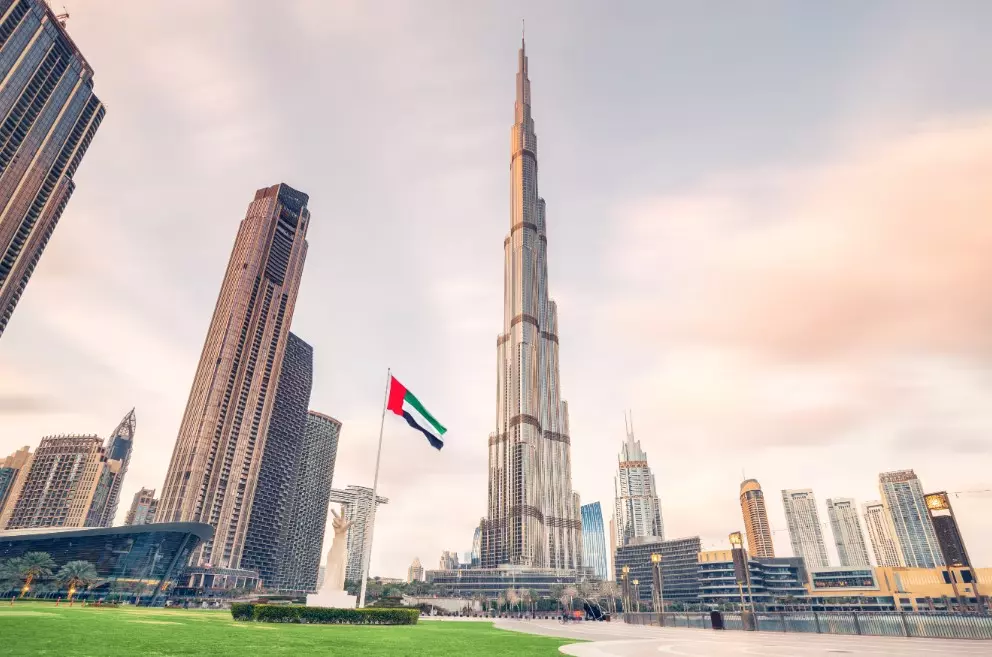
The UAE has a diverse hospitality sector that serves tourists, business travelers, visitors, and residents, ranging from international hotels and luxury resorts to hotels and serviced apartments suitable for extended stays.
The nature of hotels varies from one area to another depending on its location and character, whether it is primarily commercial, residential, tourism-focused, or coastal.
The Area Guide highlights:
This section gives readers a better understanding of the level of hospitality and accommodation services available around the area.
Quality of life extends beyond the home and everyday services. It also includes the leisure options and outdoor activities available to residents.
Different areas across the UAE offer a wide range of activities depending on their location and character.
Nearby activities and destinations may include:
This section aims to provide a clearer understanding of life outside the home and the activities residents can enjoy during their free time, whether on a daily basis or during weekends.
The UAE continues to implement ambitious plans and projects to develop its infrastructure, cities, and communities, supporting population and economic growth while enhancing quality of life.
Development plans cover various areas, including transportation, roads, infrastructure, new communities, tourism and entertainment facilities, and public spaces.
The country’s future vision also includes a range of plans and strategies aimed at supporting economic and urban growth and improving quality of life. Official initiatives include transportation and infrastructure plans, as well as long-term urban strategies across several emirates.
Within each Area Guide, the focus is placed on developments and projects that may have a direct impact on the area, such as:
Understanding the future development of an area is an important part of evaluating it, whether the objective is to live there, purchase a property, or invest for the long term.
This depends on the nature of the area and the availability of schools, healthcare facilities, parks, children’s areas, and everyday services. The guide reviews these factors to help families evaluate whether the area meets their needs.
Property types vary depending on the area and may include apartments, villas, townhouses, residential homes, and mixed-use developments.
This depends on several factors, including the location, property type, rental demand, level of services, current and future developments, and overall market conditions.
Facilities typically include schools, hospitals, shopping centers, supermarkets, restaurants, banks, mosques, and other everyday services.
The Future Development section of each Area Guide provides information about major announced or planned projects and developments.
An area can be suitable for one or both purposes. This depends on the type of properties available, prices, demand, services, location, and the buyer’s objectives.
The choice depends on several factors, including budget, property purpose, workplace location, lifestyle, family requirements, proximity to schools and services, and the area’s future growth potential.
The UAE Real Estate Area Guide provides a comprehensive overview of areas and communities, covering everything from the character of each location and its residential communities to education, healthcare, facilities, amenities, hotels, outdoor activities, and future development.
The objective of the guide is to present information in a clear and practical way that helps readers better understand each area, whether they are looking for a new home, a suitable community for their family, a property purchase opportunity, or a long-term real estate investment.
 Park
Park Restaurant
 School
 Hospital
 Mall
Mall Cinema
Unlock an Exclusive Deal!
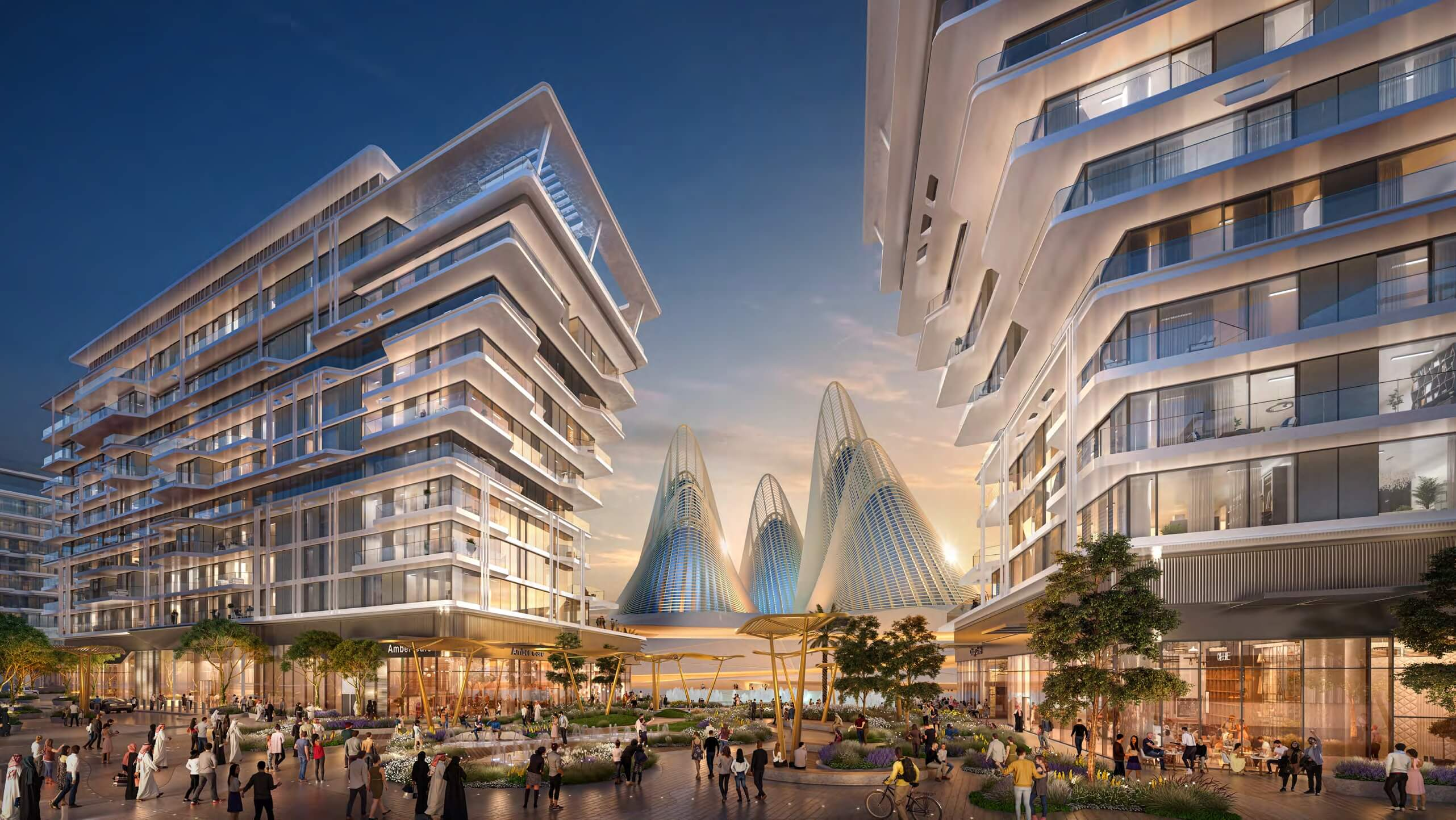
New Units for Sale Coming Soon
Find your dream property for Sale with expert guidance and personalized support
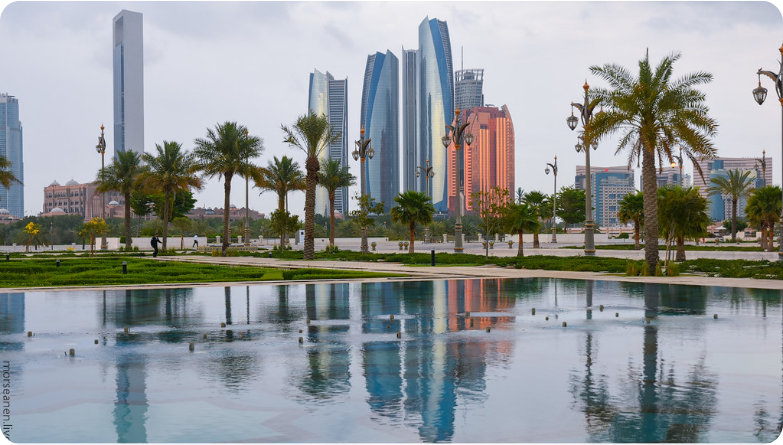
Consultation with Our Expert
We will call you back within an hour and also send you additional information by emailUnlock an Exclusive Deal